



There are no products in the cart
Jan 13, 2026
Post by Alice Bonita
Different types of hair extensions are professional methods used to add length, volume, or fullness to natural hair without chemical treatments. Each type is designed for specific hair conditions, lifestyles, and maintenance expectations, which is why understanding the differences is essential for both clients and salon professionals.
This guide is written from the perspective of real manufacturing and salon experience, not just theory.
In the global hair industry, hair extensions are no longer a one-size-fits-all solution. After years of working with salons and distributors across the US, UK, and Europe, one pattern is clear: most issues with hair extensions come from choosing the wrong type for the client not from poor installation.
Understanding the different types of hair extensions helps salon owners reduce complaints, helps clients enjoy longer-lasting results, and allows distributors to stock products that actually perform in real-world use.
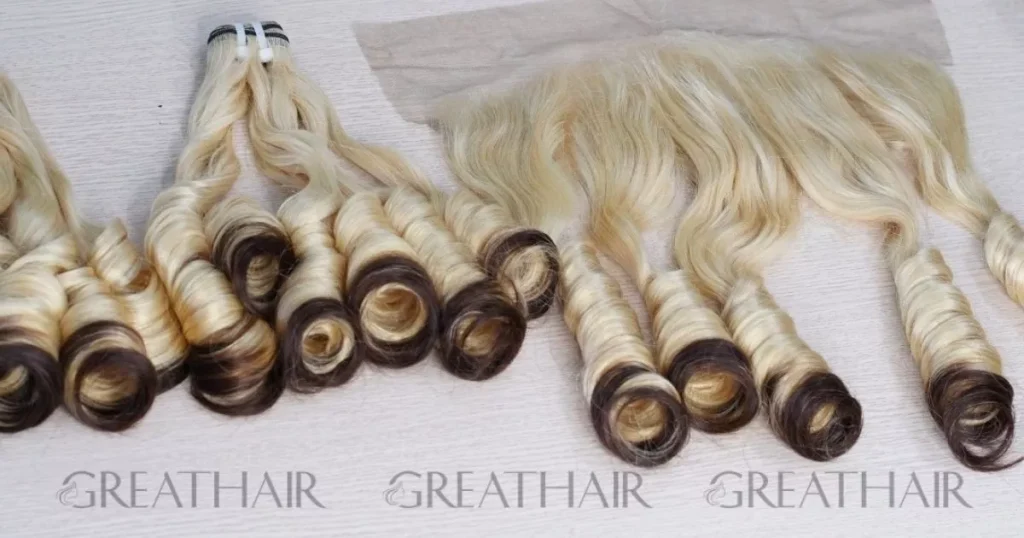
What Are the Different Types of Hair Extensions
If you’re looking for a direct answer to what type of hair extensions are there, these are the most widely used options in today’s professional market:
These categories reflect what salons actually install every day not just what’s listed in catalogs. From a manufacturing standpoint, each type also places very different demands on hair quality, which is why professional suppliers treat them as separate product systems rather than interchangeable styles.
In practice, extension types are categorized using three decision factors that directly affect comfort, longevity, and overall client satisfaction:
his is why experienced salons don’t choose extension types in isolation. They evaluate the method, the expected wear time, and the hair source as a single system. When one of these elements is mismatched, issues like slippage, tangling, and premature shedding are almost inevitable.

Clip-ins extensions are designed as a temporary solution for adding length or volume without permanent attachment to natural hair.
They are commonly used for:
Because clip-ins rely on small, fixed clips to hold the hair in place, weight and tension are concentrated at specific contact points. When worn occasionally, this design poses minimal risk. However, repeated or prolonged use can place uneven stress on natural hair, particularly around the clip areas.
Over time, this localized tension may contribute to discomfort, breakage, or thinning especially for individuals with fine, fragile, or already stressed hair. For this reason, clip-in extensions are best understood as a temporary styling option, rather than a system intended for continuous, daily wear.
Tape-in extensions are one of the most popular hair extensions types supplied by Great Hair to salons in the US and UK.
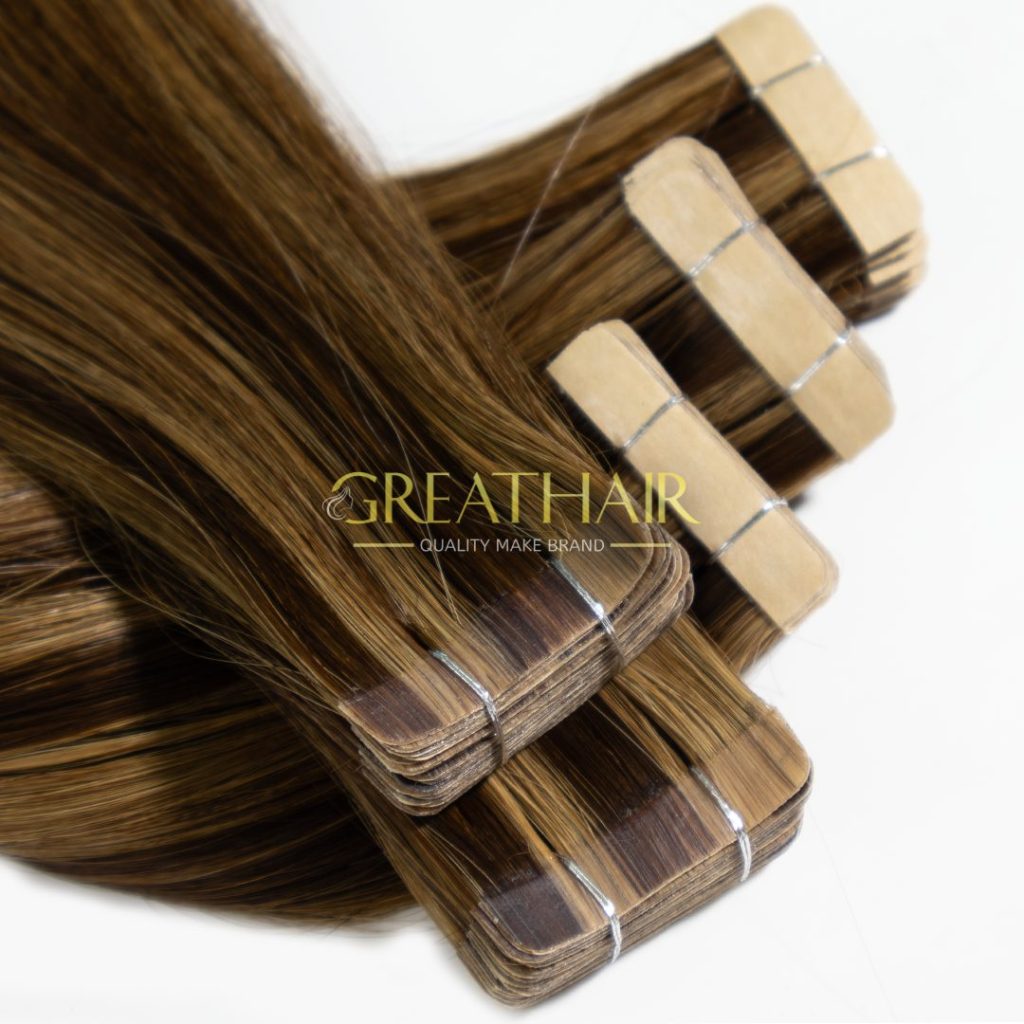
They are widely chosen because they are:
From internal quality control data, tape-in extensions made from heavily processed hair tend to dry out and fray at the adhesive edges much faster. This is why Great Hair produces tape-in extensions exclusively from 100% Authentic Vietnamese Raw Hair Ethically Sourced. Pure Integrity.
Raw hair maintains cuticle alignment, which significantly improves lifespan and appearance.
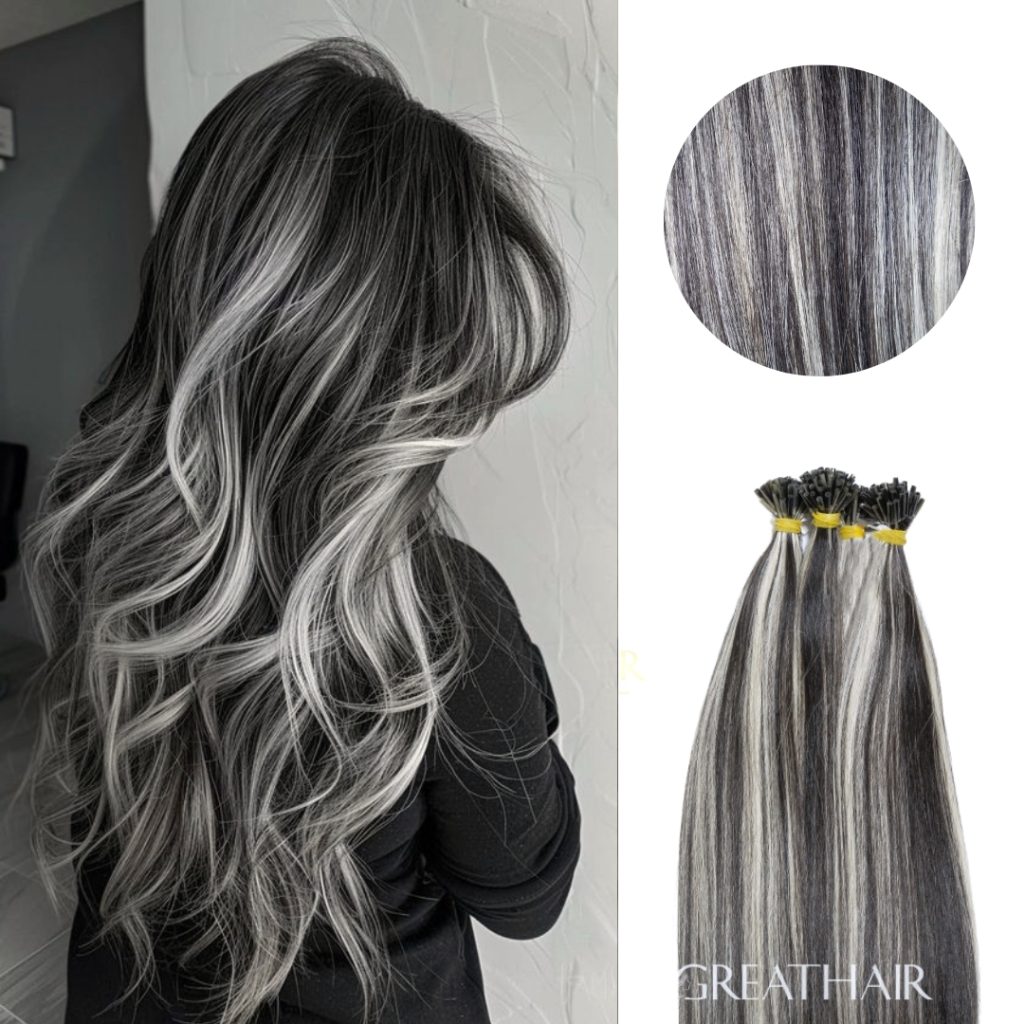
K-tip hair extensions
K-tip extensions are one of the hair extension types specifically engineered for long-term, continuous wear, where material integrity plays a greater role than installation speed.
Based on warranty records and salon feedback:
The reason is largely technical. Keratin bonding requires controlled heat to fuse the extension to natural hair. When cuticles are intact and fibers remain strong, the bond stays stable and the hair maintains its texture over time. Chemically treated hair, by contrast, is more prone to dryness, breakage, and premature shedding once exposed to repeated heat and daily wear. For this reason, K-tip extensions consistently perform best when made from high-quality raw human hair that retains its natural cuticle alignment and tensile strength.Learn more about K-tip extension quality standards here.
Read More: What Are K-tip hair extensions?

I-tip / Micro-link
I-tip extensions belong to the category of hair extension systems that require no glue or heat. Instead, small micro-rings are used to secure individual strands to natural hair, allowing adjustments as the hair grows.
They are commonly chosen for:
Because I-tip systems rely on mechanical pressure rather than adhesive bonding, hair performance becomes a critical factor. From a production and material standpoint, I-tip extensions require hair with strong elasticity and intact fiber structure. Hair that has been heavily processed tends to flatten, slip, or fracture under repeated micro-ring compression, which directly shortens wear time and limits reusability.
Weft hair extensions represent a significant portion of Great Hair’s exports.
After supplying tens of thousands of weft bundles each year, consistent salon feedback shows:
Weft extensions are especially effective for clients who want volume rather than extreme length. You can explore detailed weft options here:
> >Read More: What Are Weft Hair Extensions?
Halo and ponytail extensions fall under different extensions that do not attach directly to natural hair.
For clients with sensitive scalps, hair loss concerns, or previous issues with bonded extensions, salons often recommend halo extensions as a safer, low-risk alternative.
Beyond installation methods, experienced stylists often evaluate hair extension types based on a client’s daily routine.
Understanding how different types of hair extensions interact with real lifestyles is one of the biggest factors in long-term satisfaction.
While many articles focus on extension methods, fewer explain how hair origin affects results across different hair extensions.
From manufacturing experience:
This is why Vietnamese raw hair is highly valued in professional markets. Its natural texture adapts well across multiple hair extension types without heavy chemical processing.
Choosing among different types of hair extensions also means understanding maintenance requirements.
Clear maintenance education often matters more than the extension type itself.
Based on salon and distributor feedback, the most common mistakes include:
Choosing based on price instead of hair quality.
Lower-cost hair often involves heavy chemical processing, which shortens lifespan and increases tangling and shedding issues.
Ignoring scalp sensitivity and hair density.
Applying traditional hair extensions to clients with visible thinning, fragile hair, or sensitive scalps often leads to discomfort and poor results. In these cases, hair topper systems are frequently a more appropriate solution, offering better coverage and reduced stress on natural hair.
Mixing incompatible extension methods.
Combining multiple attachment systems without proper planning can create uneven tension, increased shedding, and styling limitations.
Using synthetic hair for long-term wear.
Synthetic fibers lack durability, heat resistance, and natural movement, making them unsuitable for professional, long-term applications.
Avoiding these mistakes can significantly extend the lifespan of human hair extensions, improve client comfort, and reduce replacement and maintenance costs for both salons and distributors.
From repeat-order data and salon feedback:
Among human hair options, Vietnamese raw hair consistently delivers superior performance in terms of longevity, natural movement, and client satisfaction.
| Type | Wear Duration | Reusable | Natural Look | Common Use |
| Clip-in | 1 day | Yes | Medium | Beginners |
| Tape-in | 6–8 week | Yes | High | Salon standard |
| K-tip | 3–5 months | No | Very high | Premium clients |
| I-tip | 3–4 months | Yes | High | Professional use |
| Weft | 2–4 months | Yes | Medium–High | Volume-focused |
| Halo | 1 day | Yes | Medium | Sensitive scalps |
“After more than ten years producing Vietnamese raw hair and working directly with salons in the US, UK, and Europe, we’ve learned that client satisfaction depends less on the extension method and more on hair quality. When salons switch to properly sourced raw hair, client retention improves noticeably.”
— Great Hair Technical & Production Team, Vietnam
What kinds of hair extensions are there?
Clip-in, tape-in, K-tip, I-tip, weft, halo, and ponytail extensions.
Which type looks the most natural?
Tape-in and K-tip extensions made from raw human hair.
Are human hair extensions better than synthetic?
Yes, especially for durability and styling performance.
Which hair extensions last the longest?
K-tip, I-tip, and sew-in weft extensions.
Can one person use multiple types of hair extensions?
Yes. Many clients combine different methods depending on their styling goals.
Contact Great Hair today to start a long-term, profitable partnership.

We Will Contact You Shortly


Address: 8 Ngo 20/45 D. Phu Minh, Minh Khai, Bac Tu Liem, Ha Noi, Viet Nam
Phone: (+84)813282399

There are no products in the cart