



There are no products in the cart
Mar 27, 2026
Post by Alice Bonita
If you have fine, fragile, or damaged hair, the best extension choice is usually the one that adds the least tension. In many cases, halo extensions are the safest starting point, lightweight tape-ins can work for some people, and carefully chosen hand-tied wefts may suit fine hair when installed by an experienced stylist. But if your hair is extremely thin, gummy when wet, snapping heavily, or shedding from the root, it is usually smarter to pause extensions and focus on recovery first.
Fine hair and damaged hair are not exactly the same thing, but they often overlap. Fine hair has a smaller strand diameter, so it gets weighed down more easily and usually shows stress faster. Damaged hair, meanwhile, often looks dry, brittle, rough, dull, frizzy, split, or hard to style. Cleveland Clinic notes that damaged hair often feels dry, becomes unmanageable, dries quickly, and stops holding a curl or style the way it normally would.
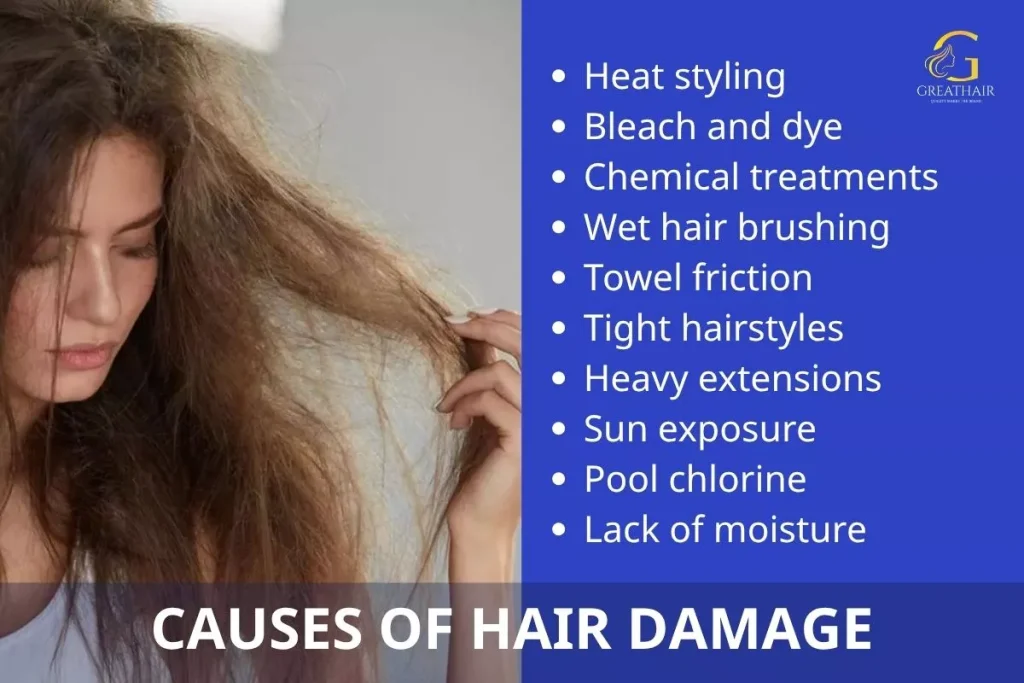
Damaged hair usually shows up before it fully breaks. Common signs include rough texture, split ends, increased breakage, loss of shine, extra frizz, and strands that feel weak when wet. Heat and friction can also roughen the hair surface, especially when hair is wet, towel-rubbed, or repeatedly exposed to high temperatures.
If you are wondering what does damaged hair look like in real life, think of hair that tangles faster, feels straw-like at the ends, snaps during brushing, or refuses to hold a smooth finish. The American Academy of Dermatology also points out that wet hair breaks more easily, and that excessive brushing, frequent heat styling, and tight styles can all contribute to split ends and breakage.
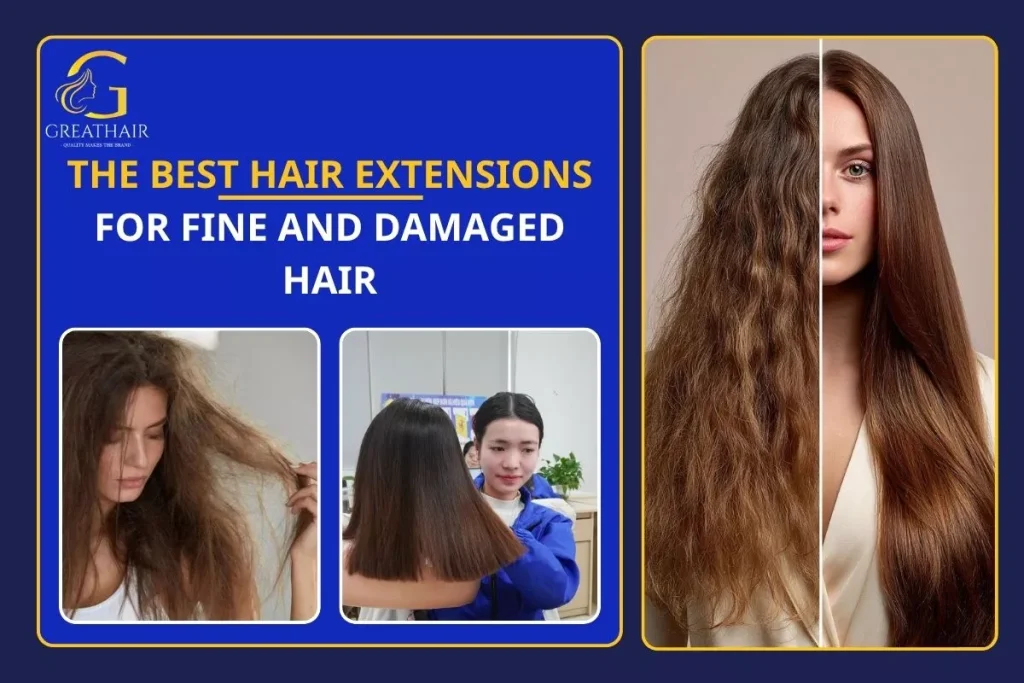
Fine hair is not automatically unhealthy, but it has less margin for error. Heavy extensions, aggressive brushing, rough towel drying, long hot-tool sessions, chemical over-processing, and constant tension from tight hairstyles can all push fine strands past what they can comfortably handle. Dermatologists specifically advise using light extensions, keeping tension low, and avoiding continuous pulling from styles like extensions, ponytails, or braids.
Heat damaged hair is especially common in people who flat iron or blow dry often. Research published on PubMed Central found that hair surface damage increases as drying temperature rises, while dermatologists recommend using the lowest heat setting and reducing how often hot tools touch the hair.
Yes, sometimes, but not always. The better question is whether your current hair can safely support the extra weight. If your damage is mild and mostly shows as dryness, frizz, or some breakage through the mid-lengths, a lightweight method may still work. If your hair is severely over-bleached, mushy when wet, breaking near the root, or thinning in a way that exposes the scalp, extensions can make things worse.
AAD guidance is also practical here: keep extensions light, have them installed by a salon that specializes in extensions, maintain scalp hygiene, avoid wearing professional extensions too long, and switch hairstyles instead of keeping constant tension on the same areas.
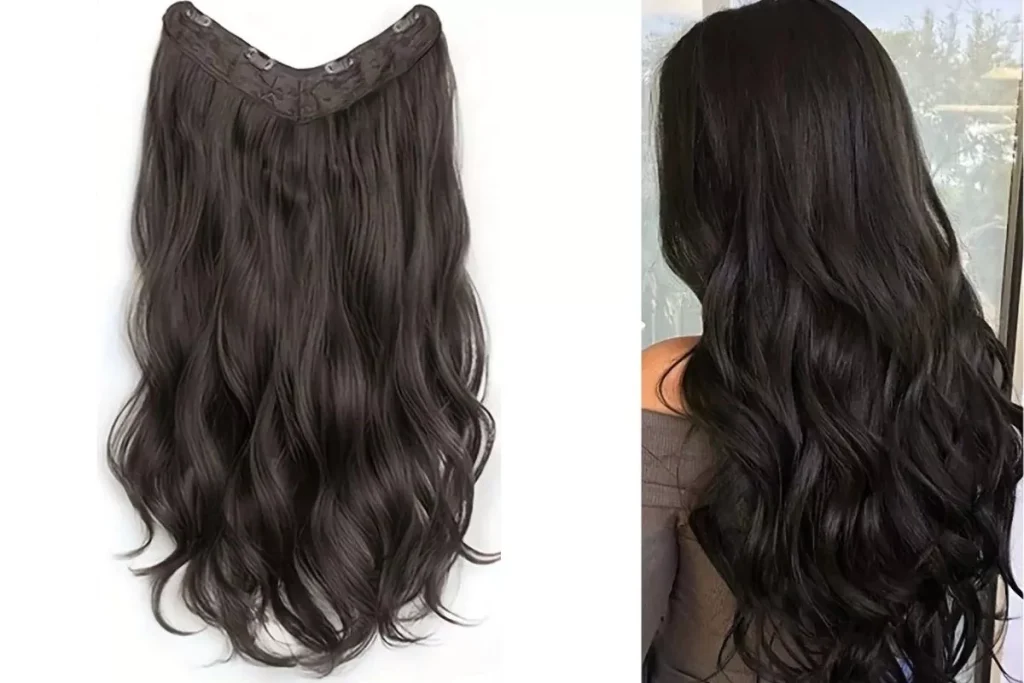
Halo extensions are often the safest option for fine and damaged hair because they do not attach directly to the strand in the same way as tape, beads, or sewn methods. They sit on an invisible wire and are covered by your own hair, which means very little direct stress on fragile roots. That is why halo extensions are often the first recommendation when someone wants temporary length or fullness without committing to an installed method.
They are especially worth considering if your hair is heat damaged, chemically stressed, or simply too delicate for daily clipping and unclipping. The main tradeoff is that halos are not a true semi-permanent solution, and they depend on decent blending for the most natural finish.
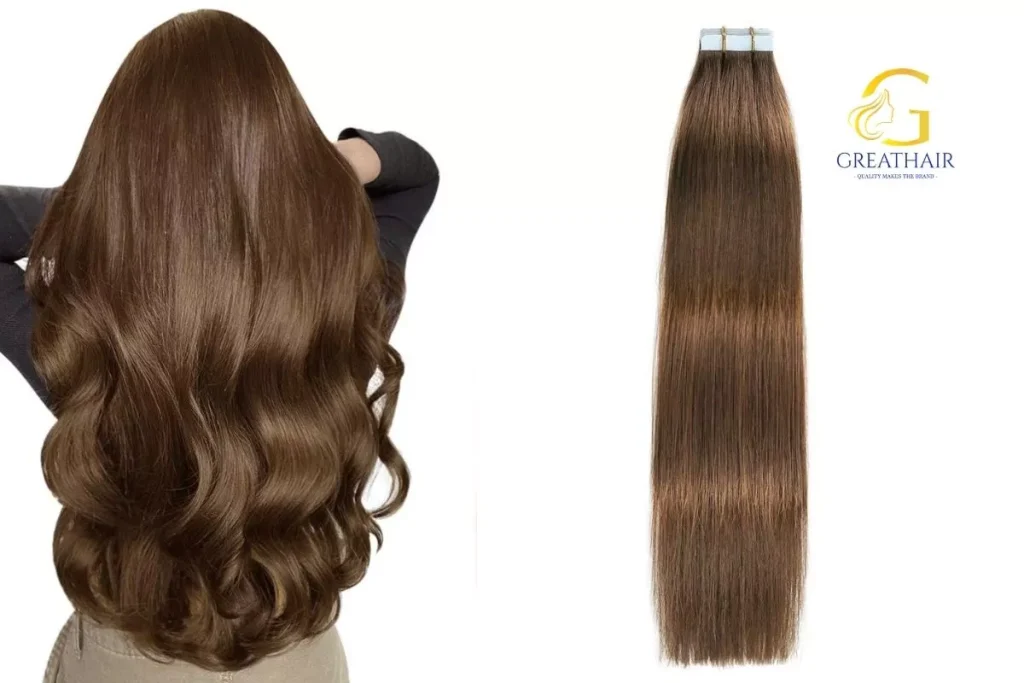
Tape-ins are often recommended for fine hair because they lie flat and spread weight across a broader section of hair rather than concentrating tension in one tiny point. That flatter profile can make them more discreet and more comfortable than some bulkier methods. They are often one of the better choices for hair extensions for fine and damaged hair when your natural hair still has enough strength to support them.
That said, tape-ins are not universally safe. Bellami notes that extremely thin hair may struggle to support their weight, which is why a stylist consultation matters. Removal also needs to be gentle and professional, because fragile hair is more vulnerable to mechanical stress during takedown.
Hand-tied wefts can work well for fine hair because the wefts are thin, flexible, and designed to sit flatter against the scalp than heavier alternatives. Sources aimed at fine-hair wearers consistently describe them as lightweight and lower bulk, and Govihair’s own damaged-hair guide includes hand-tied wefts among the most recommended methods for fragile hair.
Still, this is not a universal yes. Hand-tied wefts are best when an experienced stylist can judge your anchor hair, row placement, and overall density. On truly compromised hair, even a lightweight sew method may still be too much.
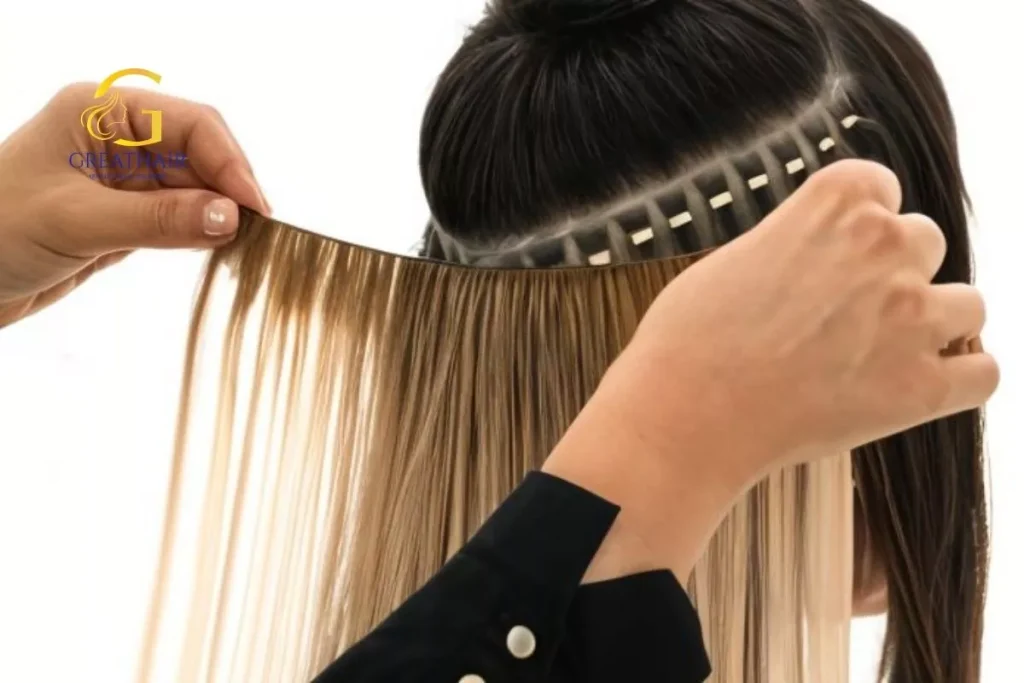
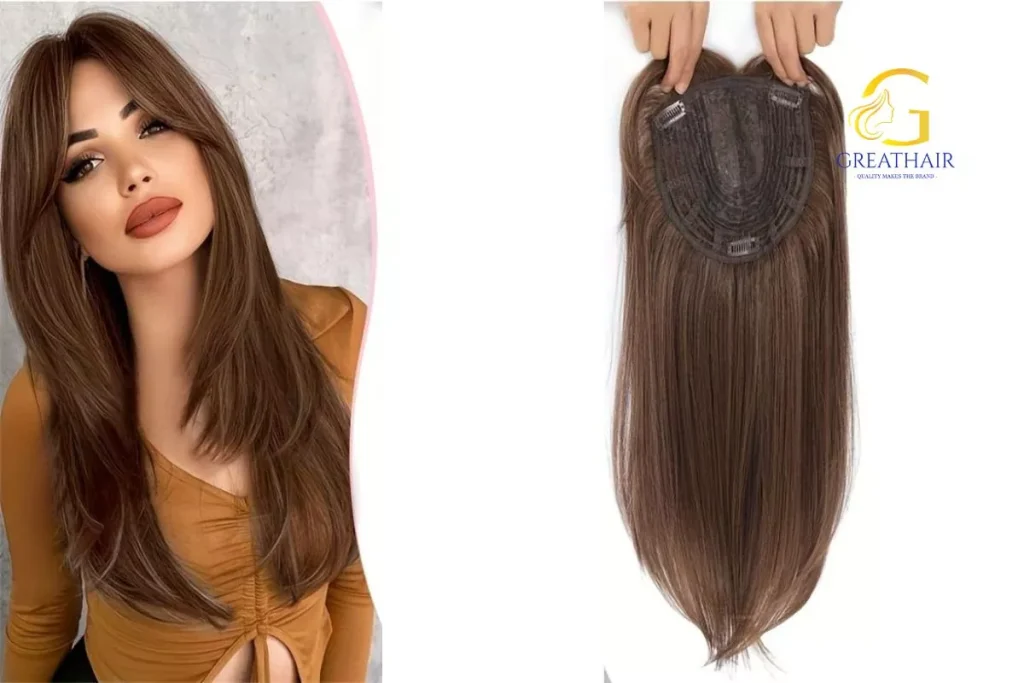
If your real concern is visible scalp, low crown density, or patchy thinning at the part line, a topper can make more sense than traditional extensions. Hair.com explains that toppers are designed to add density on top and can cover areas that extensions may not hide well. In other words, not everyone with “fine hair” actually needs more length; sometimes they need strategic coverage instead.
If your hair is fragile, heavy daily clip-ins, tight sew-ins, and bead-heavy methods are usually the riskiest choices. Tight styles and continuous pulling can lead to breakage and, over time, even permanent hair loss in some cases. The AAD specifically warns against continuously wearing styles that pull, including hair extensions, and recommends choosing light extensions that do not tug on the scalp.
That does not mean every clip-in or every bead method is automatically bad. It means they are less forgiving when your hair is already compromised. On fine, brittle hair, even a method that looks small on paper can become too much if the hair underneath is weak.
which option fits best?
| Method | Best for | Why it works | Main caution |
|---|---|---|---|
| Halo extensions | Very fragile, heat damaged hair | Minimal direct tension on roots | Temporary, blending matters |
| Tape-ins | Fine hair that can still support some weight | Flat, discreet, more even weight distribution | Extremely thin hair may not tolerate them |
| Hand-tied wefts | Fine hair needing fuller, natural-looking volume | Lightweight, flexible, flatter feel | Needs a skilled stylist and enough anchor hair |
| Hair topper | Thin crown, visible scalp, part-line thinning | Adds density exactly where needed | Not the best choice if your main goal is length |
The common thread is simple: the best hair extensions for fine hair are usually lightweight, flat, and low-tension. The best method is rarely the heaviest, the longest, or the most dramatic.
If you want extensions to look good, your natural hair has to be treated gently. AAD guidance is refreshingly basic: use conditioner after every shampoo, add a leave-in conditioner or detangler, avoid rough towel drying, use a wide-tooth comb, and reduce hot-tool frequency. Dermatologists also recommend using the lowest heat setting and limiting how often you blow dry, curl, or straighten.
For heat damaged hair, your first goal is not dramatic styling. It is reducing new damage. Let hair partially air dry before styling, keep brushing minimal, and do not keep going over the same sections with heat. If you swim or spend a lot of time outdoors, sun and pool exposure can also leave hair drier and rougher, so extra conditioning and protection help.
A realistic damaged hair treatment plan usually looks like this: fewer heat tools, more conditioning, gentler detangling, less friction, and trims when ends become too split to manage. You can improve how damaged hair feels and behaves, but severely split and broken ends usually need to be cut off eventually rather than endlessly disguised.
If your goal is to add fullness without making damaged hair worse, choose the lightest method your hair can realistically support. For most people with fragile strands, halo extensions are the safest place to start, tape-ins are the best semi-permanent option when hair is strong enough, and hand-tied wefts can work well for fine hair in the right hands. And if your crown is sparse or your scalp is starting to show, a topper may solve the real problem better than extensions ever could.
The most important rule is this: damaged hair needs less tension, less heat, and less friction, not more. If you build your choice around that principle, you will usually make a much better decision for both beauty and hair health.
At GreatHair, you can explore a versatile collection of hair extensions designed to suit different styling needs, including, Tip Hair, Tape-in, Clip-in, Ponytail, Nanoring, and Genius Weft. Every product is made from 100% Vietnamese human hair, selected for its soft texture, natural movement, and long-lasting quality.
What makes GreatHair stand out is the focus on both beauty and wearability. Our extensions are created to deliver a polished, natural-looking result while helping customers choose options that feel more suitable for fine, fragile, or damaged hair.
Having weak or damaged hair does not mean giving up on length, fullness, or confidence. With the right extension method and the right hair quality, it is still possible to create a beautiful transformation while being more mindful of your natural hair.
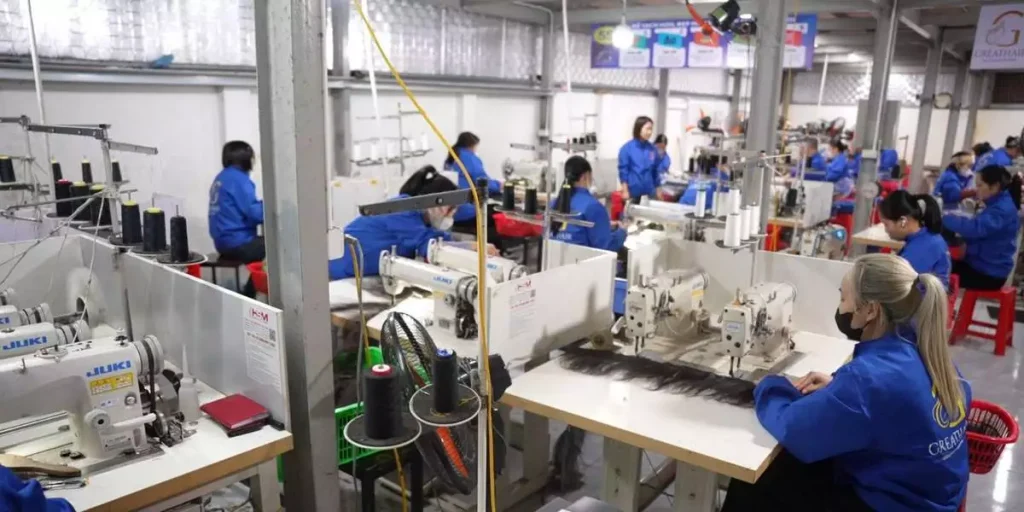
Explore GreatHair’s collection today and discover premium hair extension options that bring elegant volume, added length, and a more natural finish to your look.
>> Read more: What Are Hair Extensions The Effortless Path to Perfect Hair
Not always. Mild damage does not automatically rule extensions out, but severely weakened hair often needs recovery first. If your hair is snapping heavily, feels gummy when wet, or cannot hold weight well, it is usually better to pause.
In many cases, the safest order is halo first, tape-ins second, and hand-tied wefts third if your hair is healthy enough for installation. The best choice depends on density, breakage level, and how much anchor hair you have.
Often yes, because they lie flat and distribute weight more evenly than some other methods. But extremely thin hair may still struggle to support them, so a professional assessment matters.
Heat damaged hair can often look and feel better with gentler care, reduced heat, and consistent conditioning, but prevention is still the biggest part of recovery. Repeated high temperatures continue to roughen the hair surface, so reducing heat is essential.
Start with simple, repeatable habits: conditioner after every shampoo, leave-in conditioner, gentler detangling, less friction, and lower heat. These steps reduce further breakage and improve manageability even if they do not instantly reverse every split end.
It often looks dry, rough, dull, frizzy, brittle, and harder to style. It may also dry unusually fast and stop holding curls or shape the way it used to.
A topper is often better when the issue is visible scalp, thinning at the crown, or a part line that looks too wide. It adds density where extensions may not hide the problem well.

We Will Contact You Shortly


Address: 8 Ngo 20/45 D. Phu Minh, Minh Khai, Bac Tu Liem, Ha Noi, Viet Nam
Phone: (+84)813282399

There are no products in the cart