



There are no products in the cart
Jan 21, 2026
Post by Alice Bonita
Different types of wigs play an essential role in today’s beauty and hair industry, especially for salons, stylists, and wholesale buyers. This guide explains the most common wig types and their names, helping professionals choose the right products for real market demand. If you work with wigs daily selling, installing, or sourcing understanding these differences directly impacts quality, pricing, and customer satisfaction.
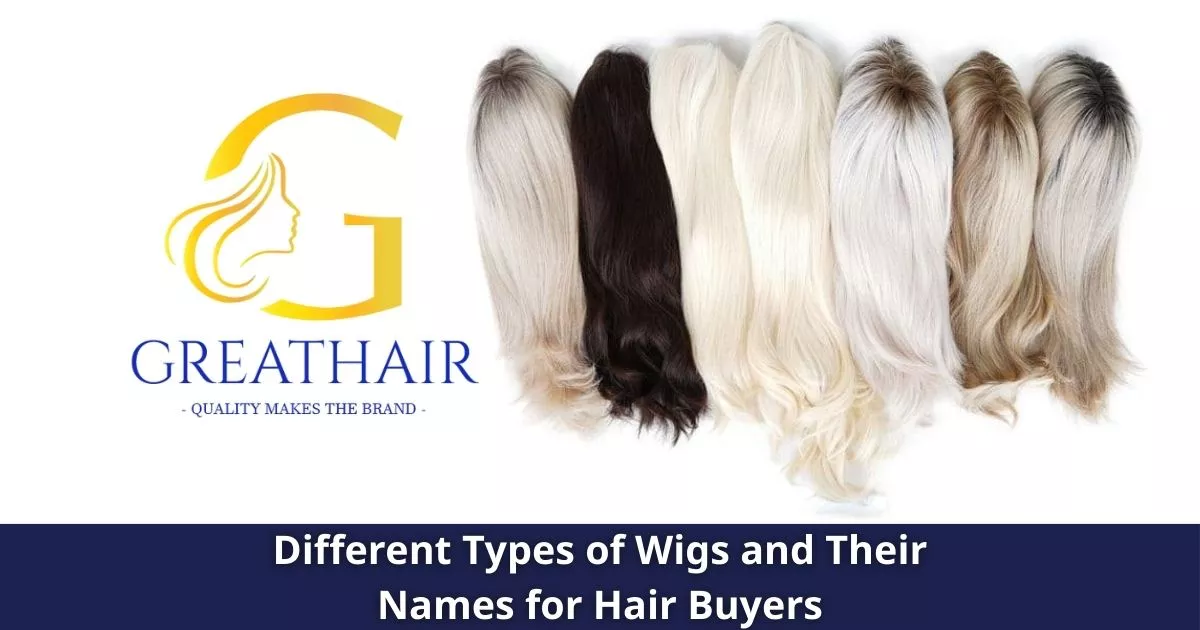
A wig is a hairpiece designed to cover part or all of the scalp. It can be made from human hair, raw hair, Remy hair or synthetic fibers.
In simple terms, wigs are used for fashion, protective styling, medical hair loss and professional beauty services. If you want to understand the basic structure and purpose first, read our full guide on what is a wig.
In this article, we will focus on the main types of wigs and their names, so salons, wholesalers and distributors can choose the right products for the right customers.
Wig construction refers to how the wig is built, especially around the lace area, cap structure and hairline. This is one of the most important factors for salons, retailers and wholesale buyers because it affects how natural the wig looks, how easy it is to install and how much styling freedom the client has.
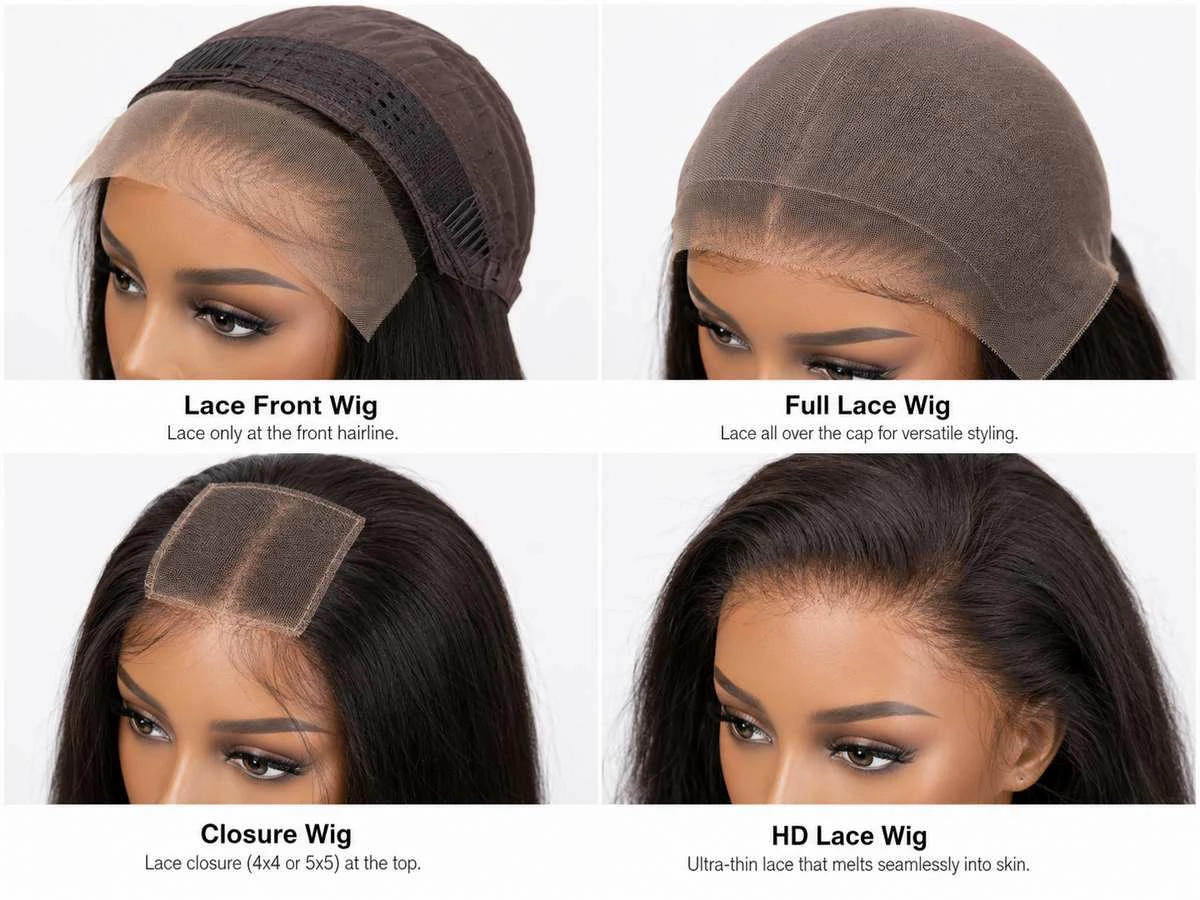
A lace front wig has lace only at the front hairline, usually from ear to ear. The rest of the cap is often made with a stronger machine-made base, which helps keep the wig secure and more affordable than full lace designs.
This type is popular because it gives a natural-looking front hairline without making the entire wig too delicate or expensive. Clients can wear the hair pulled slightly away from the face, and stylists can create a clean, realistic finish with proper plucking and lace matching.
For salons and resellers, lace front wigs are one of the most practical choices. They offer strong visual appeal, easier inventory control and steady demand from everyday wig users.
A full lace wig is made with lace across the entire cap. Each strand is tied into the lace base, allowing the hair to move more freely and making the wig easier to part or style in different directions.
The main advantage is styling flexibility. Clients can wear high ponytails, updos, braids or deep parting styles more naturally than with many other wig types. The result can look very realistic when the lace is thin, soft and well matched to the scalp.
Full lace wigs are usually positioned as a premium product. They require more production time, better craftsmanship and careful handling, so they are better suited for buyers who target high-end clients rather than fast-moving budget sales.
An HD lace wig uses ultra-thin lace designed to blend more smoothly into the skin. The lace is softer, finer and less visible than regular lace, which makes the hairline look more natural when installed correctly.
HD lace is especially popular for bridal looks, photo shoots, influencer styling and premium wig clients. It works well when the buyer wants a clean, almost invisible hairline with minimal lace detection.
The trade-off is durability. HD lace is more delicate than standard lace, so it needs careful production, gentle handling and clear care instructions. For B2B buyers, this type should be positioned as a premium product rather than a low-maintenance everyday wig.
In short, wig construction decides the balance between realism, cost, styling freedom and durability. Lace front and closure wigs are strong for everyday sales, while full lace, 360 lace and HD lace wigs work better for premium clients and higher-value orders.
A closure wig uses a smaller lace piece, commonly 4×4, 5×5 or 6×6 inches, placed at the top front section of the wig. The lace area is smaller than a frontal, so the wig is usually easier to wear and maintain.
This type is ideal for beginners, everyday clients and salons that need a simple, reliable install. A closure wig can still look natural when the lace blends well and the parting area is clean, but it does not offer as much hairline freedom as a frontal wig.
For bulk orders, closure wigs are easier to standardize because the lace area is smaller. This makes them a practical choice for resellers who want lower risk, simpler sizing and easier customer education.
Cap type and installation method decide how the wig feels when worn. Two wigs may use the same hair, but the cap design can completely change the comfort, security and daily usability of the product.
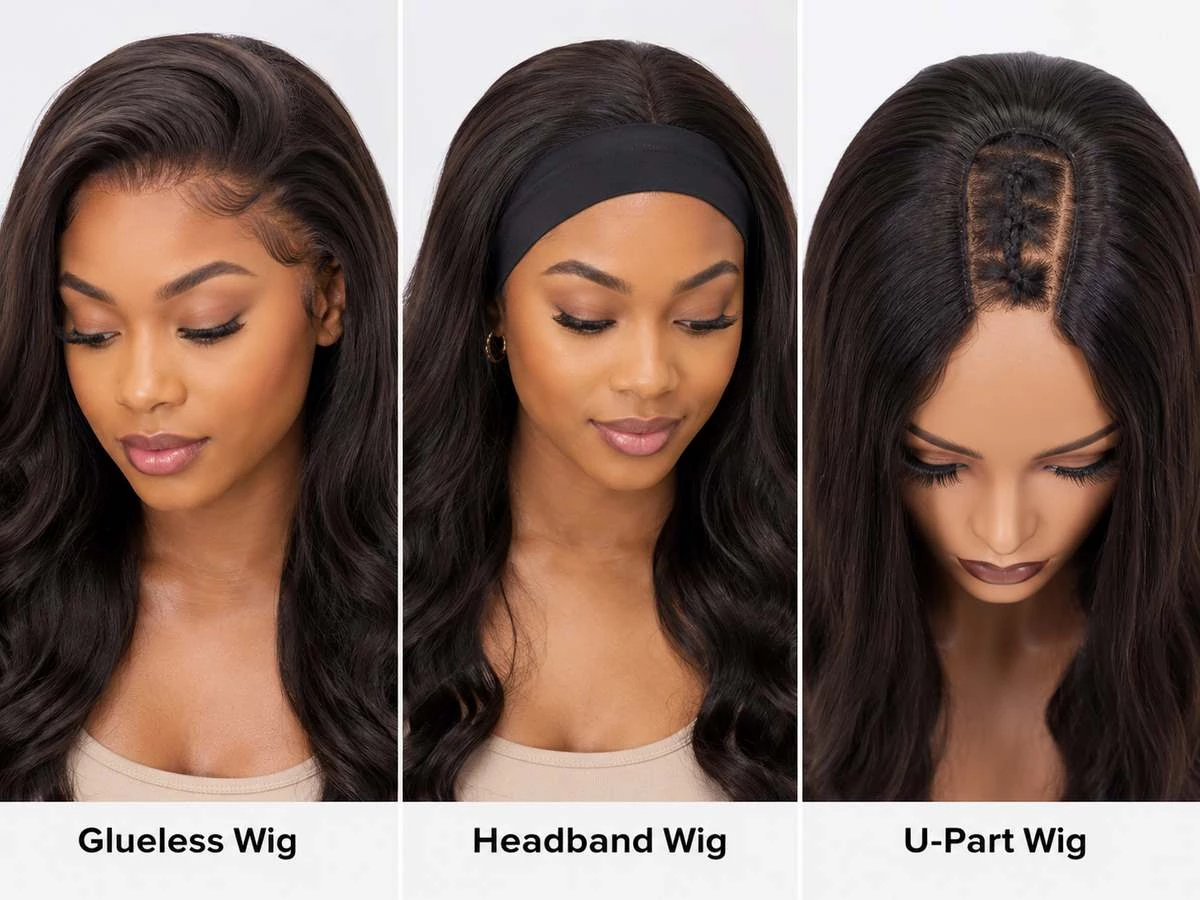
A glueless wig is designed to be worn without strong adhesive. It usually includes adjustable straps, combs, elastic bands or a secure cap structure to keep the wig in place.
This type is popular with beginners because it feels less intimidating than lace wigs that require glue. Clients can put it on faster, remove it more easily and reduce tension around the hairline.
For salons and online sellers, glueless wigs are easier to market because they solve a clear problem: customers want a natural look without a complicated install. The key is cap fit. If the cap is too loose or bulky, the wig will not feel secure.
A headband wig comes with an attached headband at the front instead of lace. It does not require glue, lace cutting or hairline customization.
This is one of the easiest wig types for beginners. Clients can wear it quickly for daily errands, casual styling or protective looks. It is also useful for people who want a low-maintenance option without spending time on installation.
For retailers, headband wigs are simple to explain and easy to sell online. They may not look as seamless as lace wigs, but they are practical, comfortable and beginner-friendly.
Cap and installation types are not only technical details. They shape the customer experience after purchase. A beautiful wig can still fail if it feels heavy, slips easily or takes too long to install.
Human hair wigs are made from real human hair. They can be washed, curled, straightened, colored and restyled more naturally than synthetic wigs.
The biggest advantage is realism. Human hair moves, shines and reacts to styling tools in a way that feels familiar to clients. When the hair quality is stable, the wig can last longer and maintain a softer finish after repeated use.
For salons, wholesalers and private label brands, human hair wigs are usually the stronger long-term choice. They cost more upfront, but they offer better styling flexibility and higher perceived value.
Raw Vietnamese hair wigs are made from hair that has not been heavily chemically processed. The hair is usually known for its firm strand structure, natural dark color and smooth feel.
This material is valued because it keeps a natural appearance while still offering good durability. It can be suitable for bleaching, coloring and heat styling when processed professionally.
For premium wig buyers, raw Vietnamese hair gives a strong selling point. It supports better quality positioning, especially for brands that want to avoid mixed hair, overly processed hair or low-grade materials.
Synthetic wigs are made from man-made fibers, not human hair. They are often pre-styled, affordable and easy to wear straight out of the package.
The main benefit is convenience. Synthetic wigs can hold their shape well and require less daily styling. They are suitable for trend-based looks, short-term use or customers with a limited budget.
The limitation is styling flexibility. Most synthetic wigs cannot be bleached, colored or heat styled like human hair unless they are made from heat-resistant fibers. For salons and professional wig businesses, synthetic wigs are usually better as budget or fashion items rather than premium products.
Hair material should match the buyer’s market position. Human hair, raw Vietnamese hair and quality Remy hair are better for long-term value, while synthetic and lower-grade options mainly compete on price.
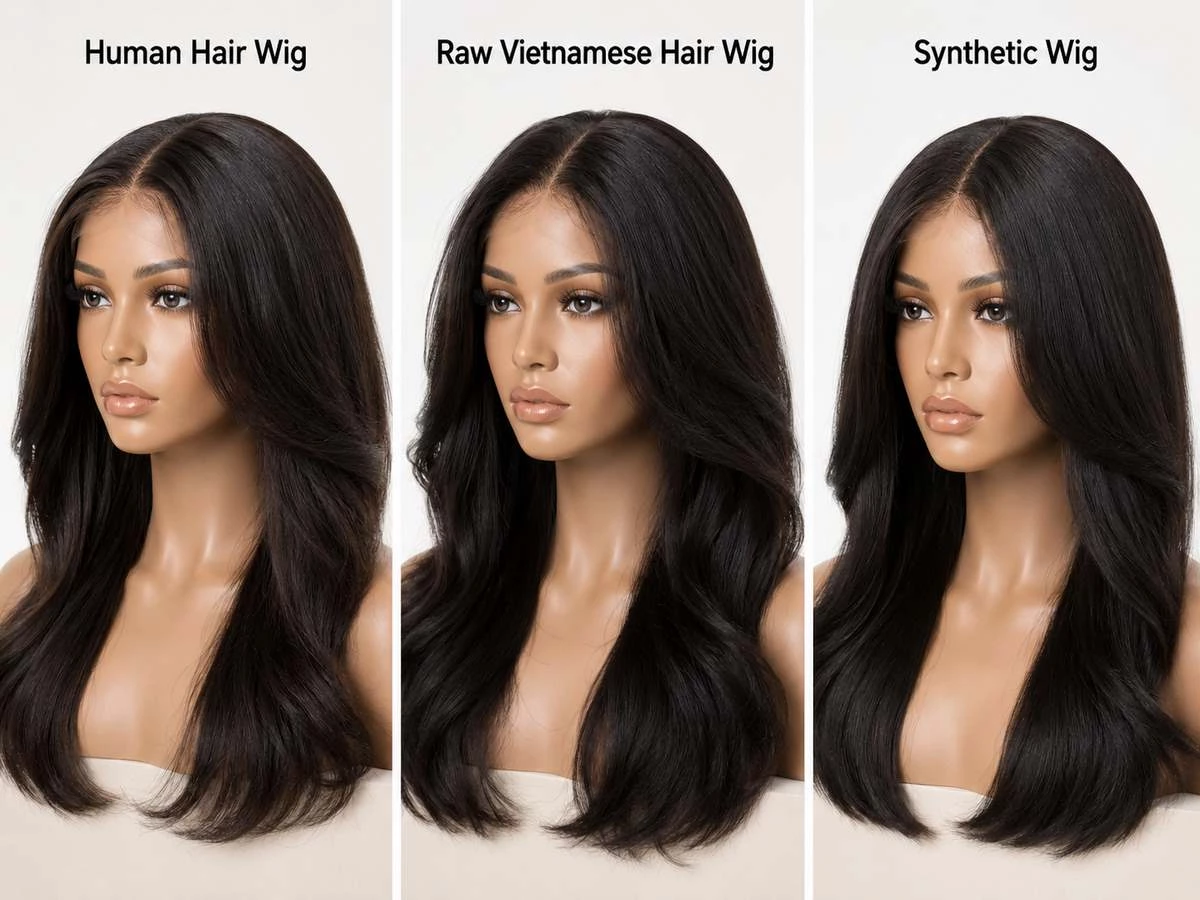
If you’re new to wigs, the difference between human hair and synthetic hair can be confusing. We’ve broken this down clearly in another article that focuses on the hair itself not just wigs: human hair and synthetic hair
A straight wig has a smooth, sleek texture from top to ends. It gives a clean, polished and easy-to-style look.
Straight wigs are popular because they work for many customers and many occasions. They can be worn for daily beauty, work, bridal styling or luxury content shoots.
For B2B buyers, straight wigs are a core inventory item. They are easy to photograph, easy to explain and suitable for both natural black wigs and custom-colored wigs.
A body wave wig has soft, loose waves that create gentle volume and movement. It looks fuller than straight hair but is not as bold as deep wave or curly textures.
This style is popular because it feels feminine, soft and easy to wear. Many clients choose body wave wigs when they want a glamorous look without heavy maintenance.
For salons and resellers, body wave wigs are strong for events, graduation seasons, bridal clients and everyday beauty customers who want a polished but natural finish.
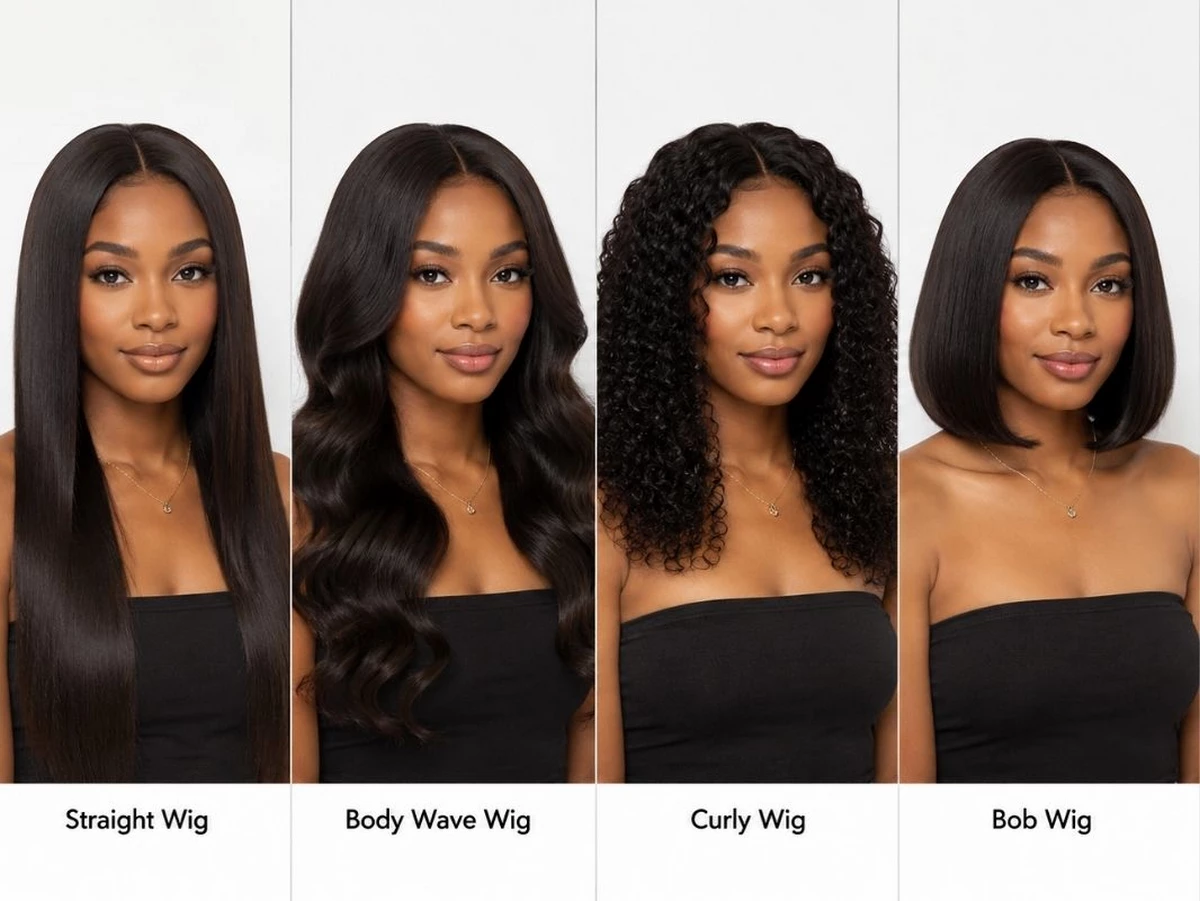
Deep wave wigs have a defined wave pattern, while curly wigs have tighter curls and more volume. Both styles create a fuller and more textured look.
These wigs are ideal for clients who want bold movement, face-framing volume and a more noticeable hairstyle. They can make the hair look thicker and more dynamic.
The key issue is maintenance. Deep wave and curly wigs need moisture, gentle detangling and proper care. For wholesale buyers, curl quality must be checked carefully because poor curls can become dry or tangled after washing.
A bob wig is a short wig style that usually falls around the chin, jawline or shoulders. It can be straight, wavy, blunt cut or lightly layered.
Bob wigs are popular because they look neat, modern and easy to manage. They are often chosen by clients who want a clean style without long hair maintenance.
For sellers, bob wigs are practical because they use less hair than long wigs and can be positioned for office wear, mature clients, daily fashion and simple luxury looks.
| Wig Type | Best Buyer Type | Main Reason | B2B Note |
|---|---|---|---|
| Lace Front Wig | Salons, online retailers, beauty stores | Natural front hairline with good styling flexibility | A safe core product for everyday wig demand |
| Closure Wig | Beginners, budget-conscious customers, fast-install clients | Easy to wear, easier to maintain, less lace customization | Good for bulk orders because quality is easier to standardize |
| Full Lace Wig | Premium clients, stylists, bridal and event customers | Allows more parting, ponytails and advanced styling | Higher value product, but requires better craftsmanship and handling |
| HD Lace Wig | Luxury wig buyers, influencers, photoshoot and bridal clients | Ultra-thin lace creates a more invisible hairline | Best for premium collections, not low-maintenance everyday use |
| Glueless Wig | Beginners, busy customers, online buyers | No strong adhesive needed, faster to install and remove | Strong selling point for easy-wear wig collections |
| Headband Wig | First-time wig users, casual wear customers | Quick to wear, no lace cutting or glue required | Good entry-level product for speed and convenience |
| U-Part Wig | Customers who want natural blending with their own hair | Leaves out natural hair for a realistic finish | Works best when texture and color matching are clear |
| Human Hair Wig | Salons, professional stylists, long-term wig users | Can be washed, styled, colored and reused more naturally | Better for higher resale value and repeat customers |
| Synthetic Wig | Budget buyers, fashion trend customers, short-term users | Affordable and pre-styled | Suitable for low-price retail, not premium salon positioning |
| Raw Vietnamese Hair Wig | Premium salons, wholesalers, private label brands | Natural look, stronger fiber and better durability | Strong choice for buyers focused on quality and long-term customer satisfaction |
Even experienced salons and wholesale buyers can make costly mistakes when selecting wig products. These issues usually don’t come from lack of budget but from misunderstanding how each wig type performs in real market conditions.
Many buyers overstock full lace or HD lace wigs assuming “higher-end sells better.” In reality, salons serving everyday clients often struggle to install and maintain these wigs efficiently. This leads to slower service time, higher complaints, and unsold inventory.
Curly and wavy wigs require higher-grade hair to prevent tangling and matting. Buying low-quality human hair or mixed hair for textured styles often results in high return rates especially in humid markets.
Some wholesalers fail to separate synthetic wig lines from human hair collections in pricing and messaging. This confuses retailers and damages brand trust when customers expect human hair performance at synthetic prices.
What sells fast in one region may fail completely in another. Successful buyers source based on local demand, not global trends.
From working with many wig resellers, we learned that wig names can be confusing when buyers do not understand the real difference behind each type. Lace front, full lace, closure and HD lace wigs are not just different names; they serve different needs in hairline appearance, styling flexibility, installation and price range.
This is why GreatHair explains wig types by use case, not only by construction. When resellers understand what each wig type is best for, they can choose stock more accurately and advise their customers with more confidence.
Lace front wigs and human hair wigs remain the most popular due to their natural appearance and versatility.
Lace wigs provide a wider lace area for natural hairlines, while closure wigs use smaller lace pieces and are easier to instal
Human hair lace wigs and HD lace wigs are preferred for professional salon services.
Yes. Synthetic wigs work well for entry‑level markets, seasonal collections, and trend‑focused retail.
derstanding different types of wigs and their names helps salons and wholesale buyers make smarter sourcing decisions. When wig construction, hair material, and style are matched correctly to real market demand, businesses reduce returns, increase repeat orders, and build long-term trust with clients.
If you are sourcing wigs for salons, retail chains, or wholesale distribution, working with an experienced manufacturer matters as much as choosing the right wig type. Great Hair supports professional buyers with stable quality, transparent production, and flexible solutions tailored to different markets.
For product consultation, wholesale pricing, or factory-level information, you can contact the Great Hair team directly to discuss your specific business needs.
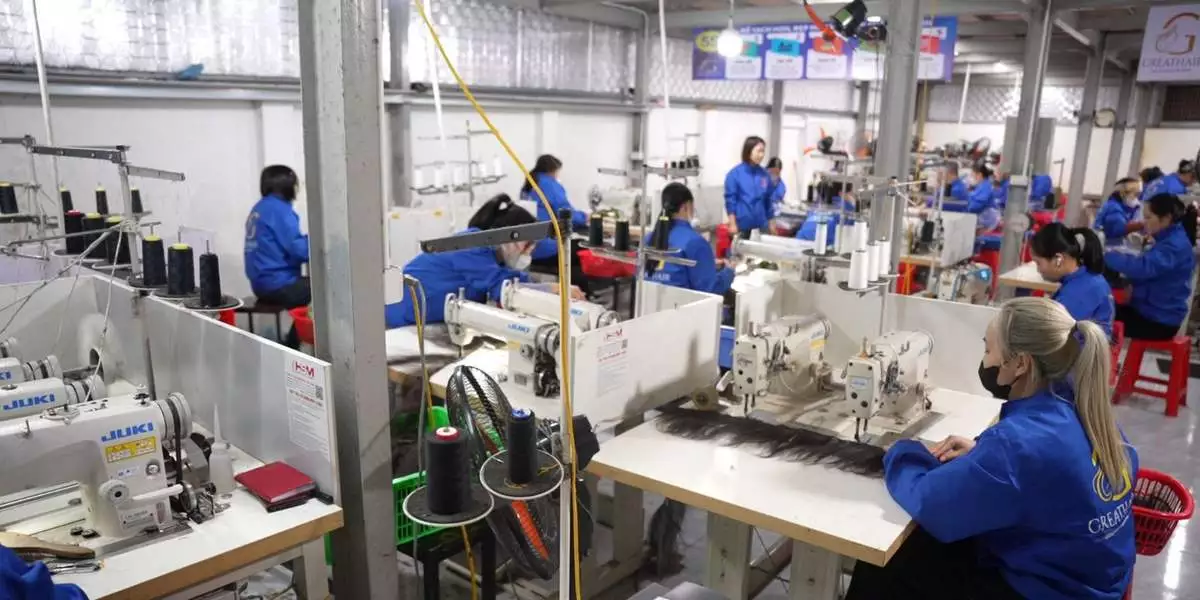
GreatHair 100% Vietnamese Human Hair
Contact GreatHair Today

We Will Contact You Shortly



Address: 8 Ngo 20/45 D. Phu Minh, Minh Khai, Bac Tu Liem, Ha Noi, Viet Nam
Phone: (+84)813282399

There are no products in the cart