



There are no products in the cart
Jul 31, 2025
Post by Alice Bonita
Hair extensions vs wigs are not the same thing. Hair extensions are added to your existing hair to create more length, fullness, or texture, while wigs cover part or all of the scalp to create a complete hairstyle. In most cases, extensions work best when you still have enough healthy hair to blend with, while wigs are often the better choice when you need broader coverage for visible thinning or hair loss.
That distinction matters more than many buyers realize. Choosing between hair extensions and wigs is not only about style. It is also about your hair condition, your daily routine, your comfort level, and the reason you want extra hair in the first place. If you are dealing with thinning, patchy hair loss, or scalp sensitivity, the right option may be very different from someone who simply wants longer, fuller hair for beauty styling.
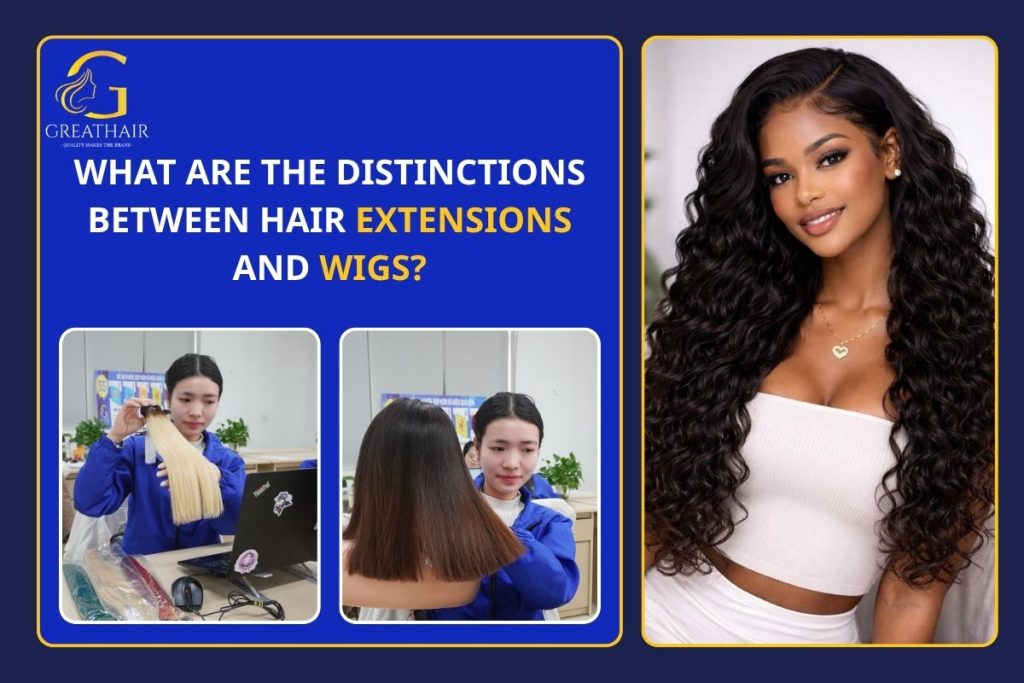
Hair extensions are strands or wefts that attach to natural hair to make it look longer, thicker, or more voluminous. Their main advantage is that they blend with the hair you already have, so the finished result can look very natural when the color, texture, and installation method are chosen well.
Extensions are usually a strong option for people who want a beauty upgrade rather than full coverage. Someone with fine hair may use them for extra fullness. Someone with shorter hair may use them for instant length. And someone with generally healthy hair may choose them simply for styling flexibility. For these users, extensions can feel lighter and more integrated than a full wig because the look is built around their own hair.
But extensions are not ideal in every situation. The American Academy of Dermatology notes that tight extensions, weaves, and other pulling hairstyles can contribute to traction alopecia, and in some cases that hair loss can become permanent. That means extensions should be chosen carefully, especially when hair is already fragile, thinning, or under stress.
>> Read More: what are hair extensions?
A wig is a hairpiece designed to cover a larger area of the scalp, often the entire head, and create a complete hairstyle in one piece. This makes wigs very different from extensions, which depend on your natural hair for blending and support. Wigs are often used not only for beauty and convenience, but also for practical coverage when hair loss is more noticeable.
For many people, wigs are the more realistic solution when the issue is not just wanting more volume, but needing coverage. NHS guidance notes that people may use wigs or hair extensions to disguise hair loss, and specifically points out that when hair loss is difficult to cover, wigs may be appropriate. Cancer and alopecia support resources also present wigs as a common cosmetic option for people experiencing broader or medically related hair loss.
This is why wigs are often preferred for people with more advanced thinning, widespread shedding, or patchy alopecia that is hard to conceal. Rather than trying to blend around weak density, a wig creates a fresh starting point and gives more control over overall appearance. That does not make wigs “better” in every case. It simply means they solve a different problem.
The biggest difference is coverage. Extensions enhance the hair you already have. Wigs replace the visible hairstyle more completely. If you still have enough hair to support blending, extensions may feel more seamless. If coverage is the priority, wigs usually offer more flexibility.
The second difference is dependency on natural hair. Extensions need a base of hair for attachment and concealment. Hairpieces and similar add-on solutions also rely on remaining hair in many cases. Wigs are less dependent on natural density, which is why they are often considered when hair loss becomes too difficult to hide with blending methods alone.
The third difference is suitability for fragile scalps or active hair loss. If hair is weak, inflamed, or shedding, adding tension through tight application may not be the wisest first move. Dermatology guidance emphasizes that the cause of hair loss matters and that proper diagnosis should come before relying on cosmetic fixes alone.
>> Read More: hair extensions for hair loss
For mild thinning, some people do use extensions or partial hairpieces to create the appearance of fuller hair. NHS guidance even includes hair extensions among the ways some women choose to disguise hair loss. But that does not mean extensions are suitable for every type of thinning or alopecia.
A more useful way to think about it is this: if your hair still has enough strength and density to support blending, extensions may help cosmetically. If your hair loss is patchy, medically related, difficult to hide, or affecting a large area, wigs are often the more practical choice. That is an inference supported by guidance showing that hairpieces need remaining hair for attachment, while wigs are commonly recommended for broader hair loss coverage.
This point is especially important for people with alopecia. Alopecia is a general term for hair loss, and different types behave differently. Some forms are temporary, while others can be long-lasting or permanent. Cleveland Clinic notes that scarring alopecia can cause permanent hair loss because the follicles are destroyed, and AAD guidance for later-stage CCCA includes advice around wigs and hairpieces as appearance-support options.
So if hair loss is part of the story, the smartest first step is not asking “wigs or extensions?” but asking “what kind of hair loss am I dealing with?” Once the cause is clearer, the cosmetic choice becomes much easier and much safer.
>>Read more: best hair extensions for alopecia
Choose hair extensions if your main goal is to add length or volume, your natural hair is healthy enough to support the method, and you want a result that blends into your own hair rather than replacing it. For beauty-focused styling, extensions often make more sense.
Choose a wig if you want fuller coverage, are dealing with more noticeable thinning, or need a solution that does not depend as heavily on your current density. For many people with alopecia, medical hair loss, or difficult-to-conceal shedding, a wig is simply the more practical and confidence-friendly choice.
And if you are shopping for extensions specifically, quality and buying method matter. A poor match in texture, color, or attachment type can make even expensive hair look unnatural. That is why educational buying guides are so useful before making a first purchase.
The difference between hair extensions and wigs comes down to function. Hair extensions improve the hair you already have. Wigs create a more complete cover when your existing hair is not enough for the look you want. Neither is universally better. The right option depends on your hair condition, your styling goal, and whether you need enhancement or coverage.
If your goal is everyday beauty styling, extensions may be the better fit. If your goal is to conceal thinning, manage alopecia, or regain confidence during visible hair loss, wigs often make more sense. And when hair loss is new, worsening, painful, or medically related, a dermatologist is the best starting point before choosing any cosmetic solution.
Read More: buying hair extensions online
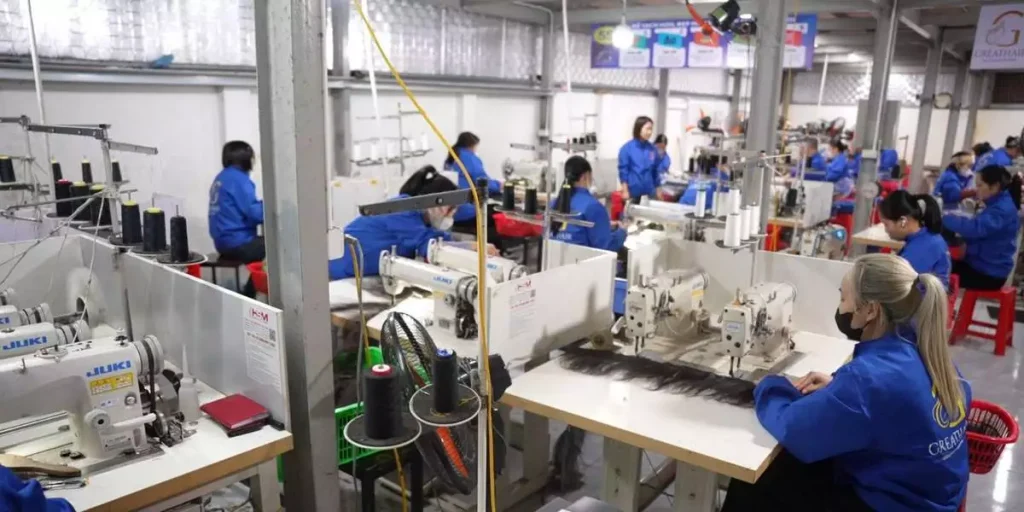
At GreatHair, you can explore a versatile collection of hair extensions designed for different styling needs, including Tip Hair, Tape-in, Clip-in, Ponytail, Nanoring, and Genius Weft. Each product is made from 100% Vietnamese human hair, chosen for its soft texture, natural movement, and long-lasting quality.
What makes GreatHair stand out is the focus on both natural beauty and practical wearability. Our extensions are designed to help customers achieve a polished, seamless look while making it easier to choose a method that fits their hair condition, styling goals, and everyday routine.
Choosing between hair extensions and wigs does not have to feel complicated. If you want to add length, volume, and a more natural blend with your own hair, the right extension method can make all the difference. With high-quality Vietnamese hair and the right guidance, you can create a beautiful result that feels both flattering and wearable.
Hair extensions are added to your existing hair to create more length or fullness, while wigs cover part or all of the scalp to create a complete hairstyle. In simple terms, extensions enhance your natural hair, while wigs provide broader coverage.
It depends on your goal. Hair extensions are often a good everyday option when you already have enough healthy hair to blend with and mainly want extra volume or length. Wigs are usually the better choice when you need more coverage or want to change your look without relying on your natural hair density.
In some cases, yes. NHS guidance notes that some people use hair extensions to help disguise hair loss. However, that does not mean extensions are right for every situation, especially if the hair is already weak or fragile.
Generally, wigs are more practical when hair loss is widespread, difficult to conceal, or linked to conditions such as alopecia. They provide fuller coverage and do not depend as heavily on existing hair for blending.
They can if they are too tight, too heavy, or worn incorrectly. The American Academy of Dermatology warns that tight extensions and weaves can contribute to traction alopecia, and repeated pulling may lead to permanent hair loss.
Choose hair extensions if you want added length or fullness and your hair is healthy enough to support them. Choose a wig if you need fuller coverage, have more noticeable thinning, or want a solution for alopecia or medically related hair loss.
Yes, but beginners should be more careful about matching hair type, color, texture, and attachment method before buying. A beginner-friendly guide is helpful because choosing the wrong type can make blending and maintenance harder.

We Will Contact You Shortly



Address: 8 Ngo 20/45 D. Phu Minh, Minh Khai, Bac Tu Liem, Ha Noi, Viet Nam
Phone: (+84)813282399

There are no products in the cart