



There are no products in the cart
Nov 14, 2025
Post by Alice Bonita
A weave allergy can turn what should be a confidence-boosting hairstyle into days of discomfort, itching, and even panic. If you’ve recently experienced an allergic reaction to hair weave redness, swelling, burning, or unexplained scalp irritation you’re not alone. Across the U.S., more people are reporting scalp allergic reactions to weave installations, even when they’ve worn extensions for years without problems.
What makes it confusing is that a hair weave allergy can seem to appear overnight. One appointment goes smoothly, and the next leaves your scalp inflamed and tender. Understanding why this happens, how to identify it early, and what to do next can prevent long-term damage and protect your scalp health moving forward.
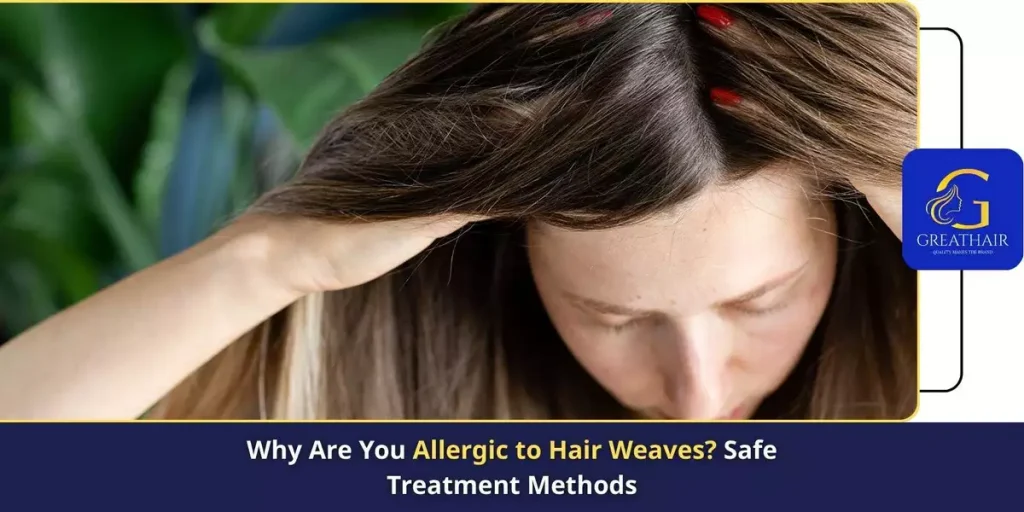
A hair weave allergy is an immune response triggered by materials used in extensions whether synthetic fibers, chemical treatments, adhesives, or even sewing threads. Medically, most reactions fall under allergic contact dermatitis, a delayed hypersensitivity reaction where the immune system identifies a substance as harmful and attacks it.
It’s important to distinguish between three common conditions that often get confused:
Allergic contact dermatitis involves an immune-triggered response. Symptoms may take 24–72 hours to appear and can worsen with repeated exposure.
Irritant contact dermatitis is not immune-based. It happens when a substance directly damages the skin barrier, causing burning or redness more quickly.
Scalp infections, caused by bacteria or fungi, may develop if irritation is left untreated or hygiene is poor. These often include pus, odor, or spreading inflammation.
Weave-related scalp reactions are becoming more common for several reasons. The hair extension market has expanded rapidly, with a surge in low-cost synthetic options and heavily processed hair. Chemical exposure has increased, and many consumers switch suppliers frequently, introducing new allergens without realizing it. Early identification and proper treatment are critical because ongoing inflammation can weaken hair follicles and increase shedding.
Many clients are shocked when they develop a hair extension allergy after years of wearing the same style. But the immune system doesn’t always react immediately.
The first exposure to an allergen may not cause symptoms. Instead, the immune system becomes sensitized. Over time, repeated contact can trigger a delayed hypersensitivity reaction. This means the scalp allergic reaction after weave installation may not occur until your body has “learned” to recognize the substance as a threat.
Cumulative chemical exposure also plays a role. If your scalp has been exposed to bleach, dyes, relaxers, and adhesives repeatedly, the barrier weakens. Eventually, even a familiar product can trigger inflammation.
Several factors explain why you might suddenly experience scalp irritation from hair extensions:
Repeated exposure to the same fiber or adhesive increases immune sensitivity.
Switching suppliers may introduce new processing chemicals.
Hormonal changes, including pregnancy or thyroid fluctuations, can alter immune responses.
A previously damaged scalp barrier from coloring or tight styles increases vulnerability.
Individuals with sensitive skin, a history of eczema, asthma, or seasonal allergies are more prone to allergic scalp reactions. Frequent chemical services like bleaching or relaxing also increase susceptibility because they compromise the scalp’s protective layer.
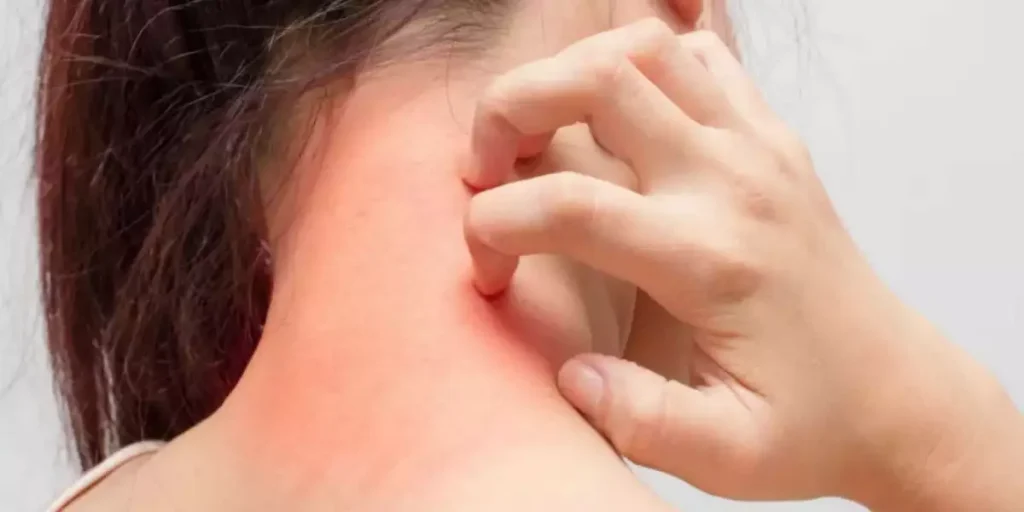
Recognizing symptoms early can prevent complications.
Early signs often include itching, redness, mild burning, or flaking. Many people mistake these for normal post-install tightness. However, persistent itching beyond the first 48 hours is not typical.
As inflammation increases, swelling, rash formation, small blisters, or oozing patches may appear. The scalp may feel tender to the touch, and discomfort can interfere with sleep.
Severe allergic reaction to hair extensions may include swelling that spreads to the face or neck, intense pain, pus formation, fever, or difficulty breathing. Breathing issues may indicate anaphylaxis, which requires immediate emergency care.
Several components of weave installations can trigger reactions.
Synthetic materials like Kanekalon, polyester, and acrylic are commonly used in budget-friendly extensions. Kanekalon, produced by companies such as Kaneka Corporation, is popular for its realistic texture, but manufacturing residues and chemical coatings can irritate sensitive scalps. Synthetic fibers are less breathable and often treated with industrial chemicals that increase allergy risk.
Even human hair can cause problems if heavily processed. Bleaching, permanent dyes containing PPD, formaldehyde treatments, and silicone coatings may leave chemical residues behind. While high-quality Human Hair Extensions are generally safer for sensitive scalps, the level of processing matters significantly. Minimally treated hair carries lower risk than hair that has undergone aggressive chemical transformation.
Latex-based glues and cyanoacrylate adhesives are common culprits in scalp allergy from hair weave installations. Lower-quality bonding agents often contain more irritants. Medical-grade adhesives used in some Tape-in Extensions are typically gentler, but patch testing remains essential.
Keratin bonds used in K-tip Extensions rely on heat for fusion. Poor-quality keratin or excessive heat during application can irritate the scalp, especially if bonds are placed too close to the skin.
Thread materials used in sew-ins may contain dyes or synthetic blends that trigger reactions. Metal clips or beads can also cause sensitivity, particularly in individuals with nickel allergies.
Even high-quality hair can cause problems if maintenance is neglected. Fungal overgrowth, bacterial buildup, and product residue accumulation increase inflammation and may worsen existing irritation.
When evaluating allergy risk, material composition plays a major role.
Synthetic hair is made from artificial fibers, often with higher chemical exposure during manufacturing. Breathability is lower, increasing moisture buildup and irritation. For sensitive scalps, synthetic options are generally not recommended.
Human hair, when minimally processed, carries lower allergy risk. It offers better airflow and fewer industrial coatings. However, heavily dyed or silicone-coated hair can still cause problems.
High-quality human hair reduces risk primarily because it undergoes fewer chemical treatments and maintains natural cuticle alignment. In contrast, low-cost synthetic options may contain hidden residues that are not disclosed on packaging.
Prevention begins before installation. Choosing reputable suppliers reduces the likelihood of chemical contamination. A 24–48 hour patch test placing a small piece of hair or adhesive against the skin can reveal sensitivity before full installation.
Washing extensions before use helps remove surface residues. Installation should never occur on an already irritated scalp. Extensions should not be left installed beyond the recommended timeframe, as prolonged tension and buildup increase inflammation risk. Proper scalp hygiene, including gentle cleansing and thorough drying, is essential. Avoid overlapping chemical services such as coloring immediately before or after installation.
If you suspect a weave allergy, immediate action reduces complications.
Removing the weave is the first and most important step. Continuing exposure worsens inflammation. After removal, gently cleanse the scalp with a mild, fragrance-free shampoo to eliminate residue.
Soothing treatments such as pure aloe vera gel or coconut oil can calm irritation. Mild over-the-counter hydrocortisone cream may reduce inflammation, but prolonged use should be avoided without medical supervision. Scratching or applying heat styling tools can intensify damage.
Oral antihistamines may help if recommended by a healthcare provider. If symptoms persist beyond several days, or worsen, consulting a dermatologist is strongly advised.
Medical attention is necessary if swelling spreads beyond the scalp, pain becomes severe, fever develops, signs of infection appear, or breathing becomes difficult. These symptoms indicate a more serious reaction that requires professional evaluation.
Managing a hair weave allergy long term requires identifying the exact trigger. Dermatological patch testing can pinpoint allergens such as latex, PPD, or specific fibers. Keeping a detailed product log including brands, adhesive types, and reaction history helps prevent repeat exposure.
Switching to lower-risk methods may be beneficial. Clip-in or halo extensions reduce direct scalp contact. High-quality, minimally processed human hair is generally safer than synthetic alternatives.
Strengthening the scalp barrier is equally important. Regular hydration, avoiding harsh shampoos, and reducing chemical treatments allow the scalp to recover. Scheduling breaks between installations prevents chronic inflammation. Over time, building a personal safe-product profile ensures safer styling choices.

At Greathair, we believe hair extensions should enhance your confidence not trigger discomfort or a weave allergy. For clients who have experienced an allergic reaction to hair weave or ongoing scalp irritation from hair extensions, choosing the right hair source makes all the difference. That’s why Greathair focuses exclusively on high-quality, 100% human hair that is carefully processed to reduce harsh chemical exposure.
Our virgin straight bundles, body waves, and raw hair extensions are minimally treated to preserve their natural cuticle alignment and breathability. Without heavy silicone coatings or aggressive chemical processing, the hair feels lighter, softer, and gentler on sensitive scalps. Many customers who previously struggled with hair weave allergy symptoms notice improved comfort when switching to cleaner, better-sourced human hair.
At Greathair, safety and beauty go hand in hand. We encourage proper scalp preparation and patch testing before installation to further reduce the risk of allergic scalp reactions after weave services. With the right materials and care, you can enjoy luxurious, natural-looking hair without compromising your scalp health.
Contact GreatHair Today
Can a weave allergy go away on its own?
Mild irritation may improve once the weave is removed, but true allergic reactions typically require active treatment to fully resolve.
How long does scalp recovery take?
Recovery can range from a few days for mild irritation to several weeks for moderate allergic dermatitis, depending on severity and treatment.
Can human hair extensions cause allergies?
Yes, particularly if heavily processed or treated with chemical dyes and coatings. However, minimally processed human hair is less likely to trigger reactions than synthetic fibers.
Can a weave allergy cause permanent hair loss?
Severe or prolonged inflammation can weaken follicles and contribute to shedding. Early treatment significantly reduces long-term risk.
Is it safe to reinstall extensions after recovery?
Reinstallation may be possible after full healing, but only with identified safe materials and proper patch testing beforehand.
A weave allergy can develop unexpectedly, even after years of uneventful installations. Chemicals, synthetic fibers, and adhesives are the most common triggers behind an allergic reaction to hair weave. Early removal and proper treatment prevent complications and protect scalp health.
For individuals with sensitive skin, choosing high-quality, minimally processed human hair and reputable application methods offers the safest long-term strategy. Your scalp is living tissue protecting it should always come before achieving a particular style.

We Will Contact You Shortly



Address: 8 Ngo 20/45 D. Phu Minh, Minh Khai, Bac Tu Liem, Ha Noi, Viet Nam
Phone: (+84)813282399

There are no products in the cart