



There are no products in the cart
Aug 11, 2025
Post by Alice Bonita
Vietnamese hair is often loved for its natural strength, smooth touch, and full appearance. But the label “Vietnamese hair” alone does not guarantee quality.
Some hair looks silky when it is new but becomes dry after washing. Some feels smooth because of silicone coating, not because the hair itself is healthy. Some hair is called high grade, but the ends are thin, the strands shed easily, or the texture changes too quickly after use.
So when we talk about Vietnamese hair quality, we are not only talking about where the hair comes from. We are talking about how the hair feels, how it moves, how it reacts after washing, and how well it keeps its beauty over time.
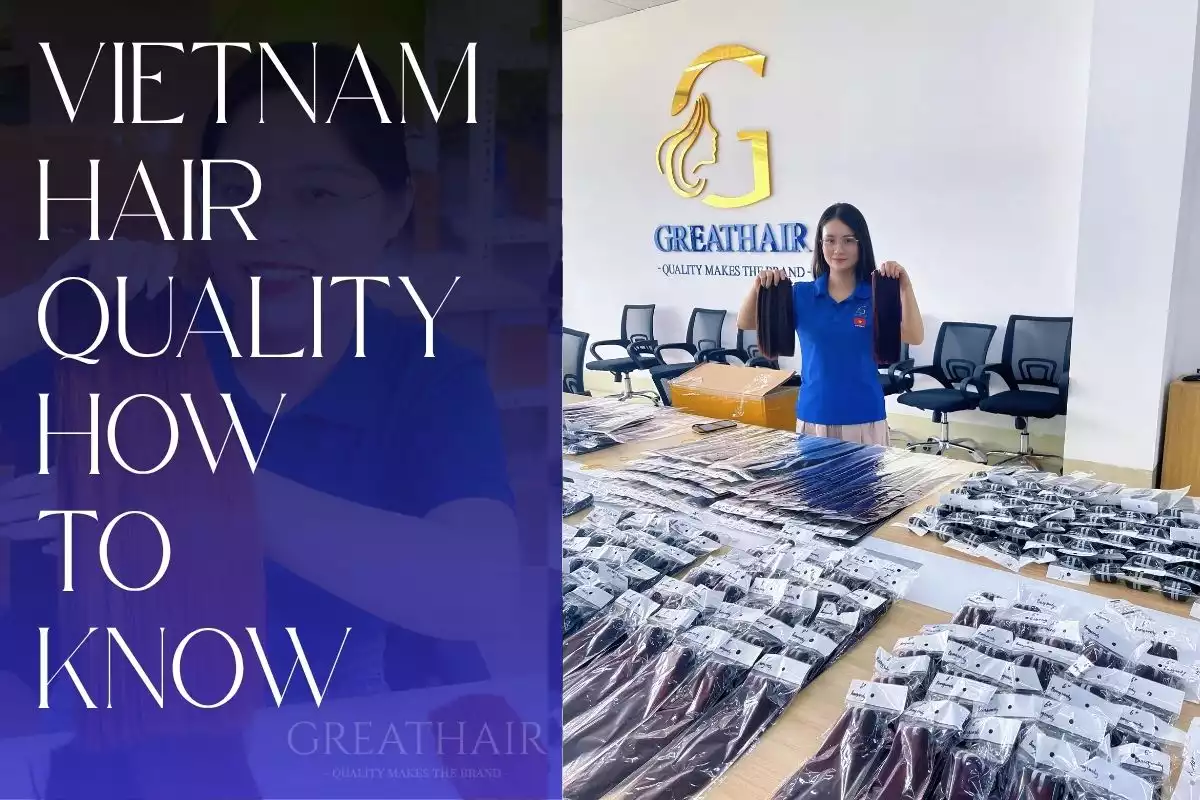
Good Vietnamese hair quality means the hair is strong, smooth, cuticle-aligned, naturally full, and not overly processed.
High-quality Vietnamese hair should feel soft but not fake-slippery. It should have a natural shine, not a plastic gloss. The strands should move smoothly through your fingers, with low tangling, low shedding, and healthy ends.
Most importantly, good hair should still feel good after washing. The real test of Vietnamese hair quality is not how beautiful it looks on the first day, but how it performs after cleaning, brushing, styling, and regular wear.
Vietnamese hair is naturally strong and dense. The strands are usually dark, smooth, and firm, which makes the hair feel fuller and more durable.
Good Vietnamese hair often has a natural black or dark brown color. The texture may be straight, slightly wavy, or naturally soft wave. When the hair is collected and processed properly, it keeps a clean, healthy look without needing too much chemical treatment.
The best Vietnamese hair does not look overly perfect in a fake way. It has natural movement. It feels soft, but still strong. It can be brushed, washed, styled, and maintained without quickly becoming dry or tangled.
That natural balance is the reason many people look for Vietnamese hair when they want high quality human hair wigs, bundles, extensions, closures, or frontals.
High-quality Vietnamese hair is easy to recognize when you know what to check.
Good hair should feel smooth when you touch it, but it should not feel too slippery or coated.
If the hair feels unnaturally slick, it may have a heavy silicone layer. Silicone can make hair look shiny and soft at first, but after a few washes, the coating may fade and the hair may become rough.
Natural softness feels different. It is smooth, flexible, and clean without feeling plastic.
Good Vietnamese hair has a soft, natural shine. It should reflect light gently, not look overly glossy like synthetic fiber.
A plastic-like shine can be a warning sign. It may mean the hair has been coated or processed too heavily to hide dryness.
Healthy Vietnamese hair usually has a calm, natural glow. It looks polished, but still real.
Vietnamese hair quality is often connected to strand strength. Good strands should not feel weak, mushy, or too fragile.
When you gently pull a few strands, they should have some resistance. The hair should not break too easily.
Strong hair is especially important if the hair will be curled, straightened, colored, or worn regularly.
The ends tell you a lot about hair quality.
Good Vietnamese hair should not have extremely thin, dry, or broken ends. Some natural variation is normal, especially with raw hair, but the ends should still look healthy.
Thin ends can make the hair look less full. They also become worse after washing and styling. If the ends already look weak before use, the hair may not hold up well over time.
Good Vietnamese hair should move smoothly from top to ends.
A small amount of resistance can be normal with wavy or curly textures. But the hair should not lock, mat, or feel rough when you run your fingers through it.
Tangling often comes from poor cuticle alignment, heavy processing, mixed hair, or weak hair quality.
A few loose strands can be normal. But heavy shedding is not a good sign.
Good Vietnamese hair should have stable wefting, clean sorting, and strong strands. If the hair sheds too much, it may be caused by weak construction, poor processing, or low-quality hair selection.
This is one of the most important tests.
Many types of hair look beautiful before washing. But after washing, weak hair can become dry, rough, tangled, or stiff.
Good Vietnamese hair should remain soft and manageable after washing. It may lose some temporary styling finish, but the hair itself should still feel healthy.
Raw Vietnamese hair is usually considered the highest-quality option because it is the least processed.
Raw hair has not been chemically dyed, bleached, permed, or heavily altered after collection. Because of this, it usually keeps more of its original cuticle condition, natural texture, and strand strength.
Raw Vietnamese hair often has:
However, raw hair may not look perfectly uniform. The texture can have slight natural differences because it has not been forced into a completely identical pattern. This is not always a flaw. In many cases, it is a sign that the hair has not been over-processed.
Virgin Vietnamese hair means the hair has not been dyed, bleached, or chemically permed. It may still be cleaned, sorted, and prepared before being made into wigs or extensions.
Good virgin Vietnamese hair can offer a very nice balance between quality and price. It feels natural, soft, and strong, but it may be more accessible than raw hair.
The key is honesty. Some hair is marketed as virgin even when it has been processed. That is why it is important to ask clearly about the hair’s history before buying.
Remy Vietnamese hair means the cuticles are aligned in the same direction.
Cuticle alignment is important because it helps the hair stay smooth and reduces tangling. When cuticles face different directions, they rub against each other and cause friction.
Good Remy Vietnamese hair can be soft, smooth, and easy to maintain. But Remy does not always mean raw or virgin. Remy hair can still be steamed, colored, or lightly processed.
So the best question is not only “Is it Remy?”
The better question is: Is it Remy, and how much has it been processed?
Vietnamese hair grade is not a universal standard.
Terms like 8A, 9A, 10A, 12A, or “premium grade” are often used by suppliers, but they do not mean the same thing everywhere.
A grade label does not prove that the hair is good. Real Vietnamese hair quality depends on the actual condition of the hair.
Before trusting a grade, check:
Also, double drawn does not automatically mean the hair origin is better. Double drawn mainly means the hair has fuller ends because shorter strands have been removed. It affects fullness, but it does not replace real hair quality.
Read More: The Ultimate Guide To Vietnamese Hair Grades
Before buying Vietnamese hair, check the hair carefully instead of relying only on photos.
First, look at the texture. It should feel soft, clean, and flexible. Avoid hair that feels too slippery, sticky, or plastic-like.
Then check the ends. The ends should not be too thin or dry. Healthy ends help the hair look fuller and last longer.
Next, run your fingers through the hair. Good hair should not tangle quickly. It should move smoothly and return to shape naturally.
You should also check shedding. Light shedding can happen, but heavy shedding is a warning sign.
Finally, ask about processing. Has the hair been dyed, bleached, steamed, permed, acid-treated, or silicone-coated? Processed hair is not always bad, but you need to know what has been done to it.
The more transparent the answer, the easier it is to judge the real quality.
Vietnamese hair quality is about more than origin. It is about the real condition of the hair.
High-quality Vietnamese hair should be strong, smooth, naturally full, cuticle-aligned, and not overly processed. Raw Vietnamese hair is usually the premium choice, while virgin and Remy Vietnamese hair can also be very good when sourced and prepared correctly.
Before buying, do not rely only on grade names, glossy photos, or first-touch softness. Check the ends, shedding, tangling, shine, processing history, and how the hair behaves after washing.
The best Vietnamese hair is the hair that still feels beautiful after real use.
If you are a salon owner, wig stylist, reseller, or private label brand looking for stable Vietnamese hair quality, Great Hair Vietnam can help you choose the right hair type for your market.
You can request raw Vietnamese hair, virgin hair, Remy hair, wigs, bundles, extensions, custom textures, product videos, QC support, sample options, and private label guidance before placing a larger order.
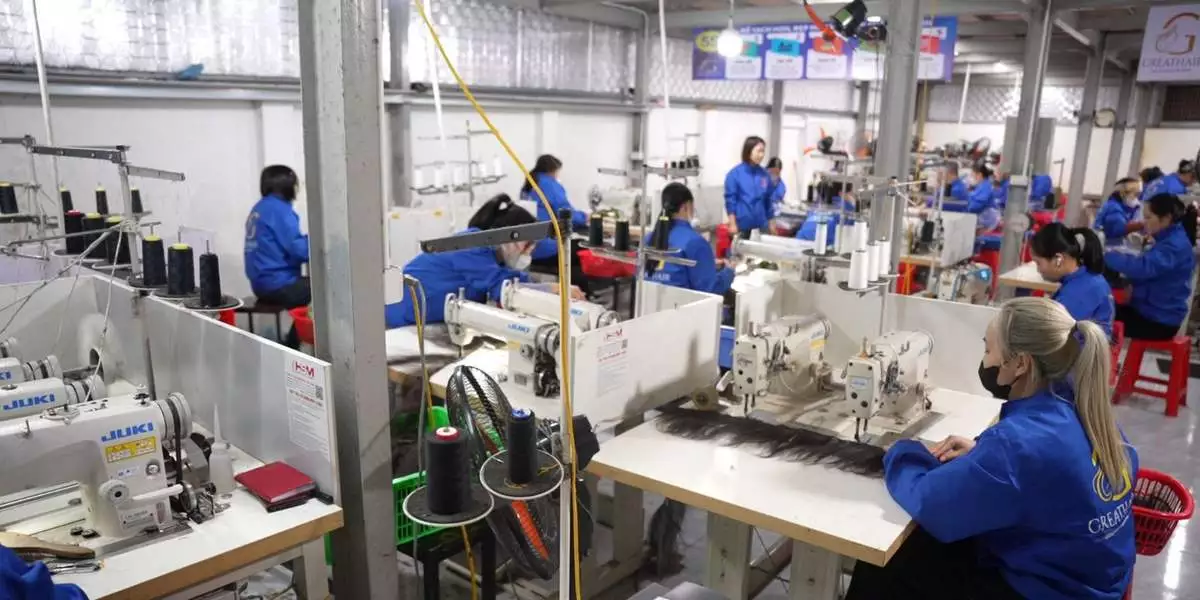
Yes. Vietnamese hair can be very good quality when it is properly sourced, cuticle-aligned, minimally processed, and carefully inspected.
High-quality Vietnamese hair should feel soft, strong, smooth, naturally shiny, full at the ends, low shedding, low tangling, and still manageable after washing.
Raw Vietnamese hair is usually considered the premium option because it is least processed and keeps more natural strength, texture, and cuticle condition.
Vietnamese hair grade is usually a supplier’s quality label, not a universal standard. Always check the real hair type, cuticle alignment, processing, fullness, shedding, and tangling.
Low-quality hair may feel overly coated, tangle quickly, shed heavily, have thin ends, smell strongly of chemicals, or become dry and rough after washing.
Good Vietnamese hair can last a long time with proper care, especially when it is raw, virgin, or high-quality Remy hair. Lifespan depends on processing, maintenance, styling habits, and product quality.

We Will Contact You Shortly


Address: 8 Ngo 20/45 D. Phu Minh, Minh Khai, Bac Tu Liem, Ha Noi, Viet Nam
Phone: (+84)813282399

There are no products in the cart