
Choosing the right long hair extensions starts with your natural hair, not just the length you want. Fine hair usually needs lightweight extensions that sit flat and do not overwhelm the roots. Thick hair needs enough volume through the lengths so the added hair blends instead of looking thin at the ends. Curly or textured hair needs a close texture match before anything else. For a natural finish and more styling freedom, human hair extensions are usually the better choice for long-term wear.
Start With the Hair You Already Have
Long extensions can add beautiful length, but length alone does not create a natural result. The extensions need to sit comfortably, blend through the ends and move in a way that suits your own hair.
Before choosing a method or ordering the longest set available, look at three things: how thick your natural hair is, what texture you normally wear and how much maintenance you are comfortable with.
Someone with fine, straight hair will not need the same weight or installation as someone with thick curls. The most flattering extensions are rarely the most dramatic ones on the product page. They are the ones that disappear naturally into your own hair once worn.
Long Hair Extensions for Fine or Thin Hair
Fine hair needs length without unnecessary weight. Extensions that are too dense, too long or attached in bulky sections can be difficult to conceal and may place more tension on delicate hair.
Tape-in extensions are often a good option for fine to medium hair because the tabs lie flat against the head and can give length without a bulky finish. A lightweight halo can also work well for occasional wear because it does not attach directly to individual strands. For temporary styling, a smaller clip-in set may be enough, especially when the goal is gentle volume rather than a very full transformation.
The length matters too. An extremely long, heavy set can look separate from naturally fine hair unless it has been blended carefully. Eighteen to twenty inches often gives a softer, more believable finish for someone trying long extensions for the first time.
Long Hair Extensions for Medium Hair
Medium-density hair is often the easiest to match because it can support several extension methods without the attachment points becoming too visible.
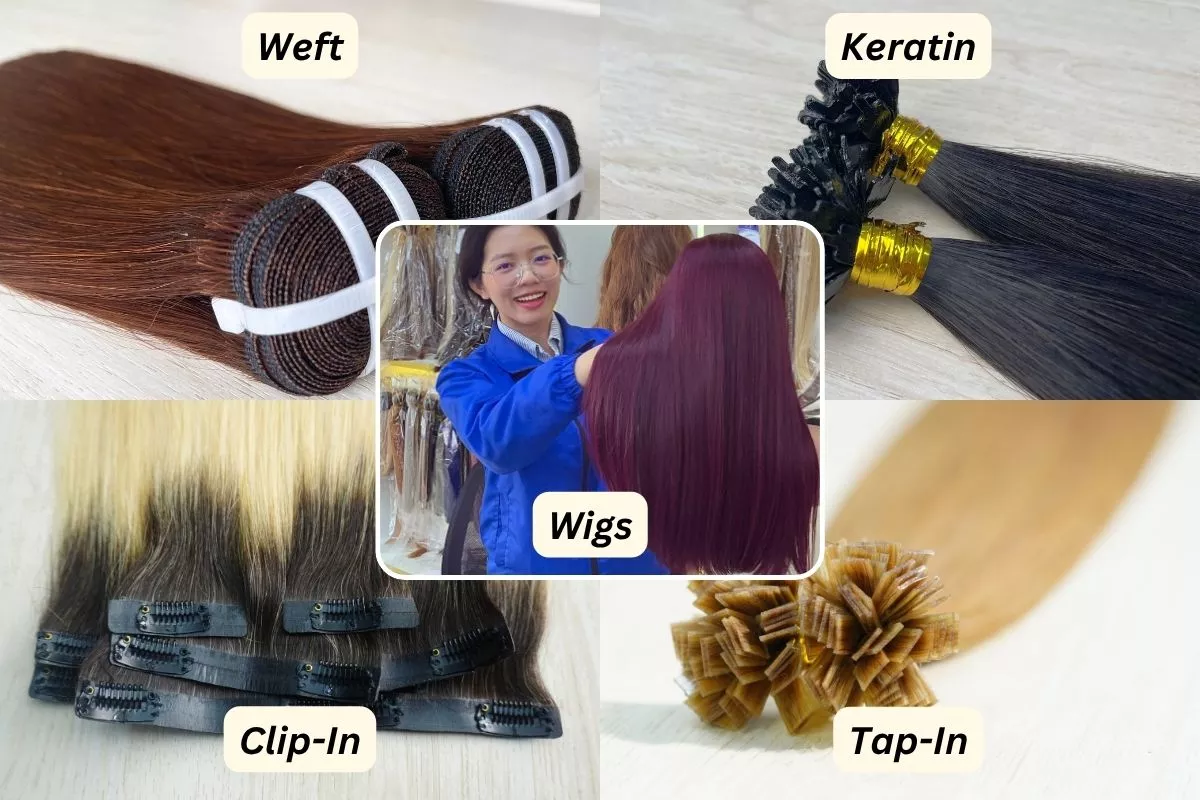
Clip-ins are useful when you want long hair for weekends, events or changing hairstyles without ongoing maintenance. Tape-ins offer a flatter, more seamless look for regular wear. Keratin bonds or professionally fitted wefts may suit someone who prefers a more permanent result and wants the hair to move naturally day after day.
The decision here is less about what your hair can hold and more about your routine. Do you want to remove the extensions at night, return for maintenance appointments or style your hair as though the extensions are part of your everyday look? The answer often points to the best method.
Long Hair Extensions for Thick Hair
Thick natural hair needs extensions with enough fullness to match it. A long set that looks beautiful on its own may still appear thin once placed underneath a naturally dense head of hair.
Weft extensions, sew-ins and keratin methods are commonly chosen for thicker hair because they can provide stronger coverage through the mid-lengths and ends. Tape-ins may also work, but more pieces are often needed to create a balanced finish.
This is where weight and density matter as much as length. If thick shoulder-length hair is extended to twenty-two or twenty-four inches with too little volume, the natural hair can form a visible shelf above the extensions. Proper blending, layering and enough hair through the ends make the difference between simply longer hair and a finish that looks convincing.
Long Hair Extensions for Curly or Textured Hair
With curly or textured hair, the first question should not be “How long do I want it?” It should be “Will this curl pattern blend with my own?”
A color match cannot rescue the wrong texture. Loose waves attached to tighter curls will still look disconnected, especially in humid weather or after wash day. Extensions should resemble the texture you actually wear most often, not only the look you can create after a long styling session.
When the curl pattern is close, long extensions can add fullness without forcing you to constantly restyle your natural hair. Human hair is particularly useful here because it gives more flexibility for washing, defining, straightening or returning to a textured look with proper care.
Which Extension Method Suits You Best
The most suitable method depends on your hair density, how often you want to wear extensions and whether you prefer temporary or professional installation.
| Extension method | Best suited to | What makes it appealing | What to consider |
|---|---|---|---|
| Clip-in extensions | Occasional wear and styling flexibility | Easy to remove and reuse | Clips may be harder to hide in very fine hair |
| Tape-in extensions | Fine to medium hair and everyday wear | Flat placement with a natural finish | Requires maintenance and care around the tapes |
| Halo extensions | Beginners and temporary length | No bonded or taped attachment | May offer less styling flexibility for active wear |
| Weft extensions | Medium to thick hair needing fullness | Good volume through long lengths | Professional installation is usually preferred |
| Keratin bond extensions | Clients wanting natural movement | Individual bonds allow flexible placement | More time and upkeep are required |
No method is automatically the best for everyone. A lightweight extension worn comfortably will look better than a fashionable method that does not suit your natural hair or lifestyle.
Read More: The Best Types Of Hair Extensions
Choose a Length That Will Blend Naturally
It is easy to fall in love with very long hair online. In real life, the jump from your natural length to the extension length needs to be believable.
For a natural everyday look, eighteen to twenty inches is a comfortable starting point for many wearers. It gives noticeable length while remaining manageable for brushing, washing and styling. Twenty-two to twenty-four inches creates a more glamorous finish, but the hair needs enough density and quality to keep the ends looking full.
Short natural hair needs particular care when choosing long extensions. If your own hair ends around the chin or shoulders, a dramatic jump to very long lengths may require layering and professional blending. Otherwise, the line between natural hair and extensions can remain visible even when the color matches perfectly.
Longer hair also asks more of the quality. Dry or thin ends are far easier to notice on a long set, especially when the hair is worn straight.
Match the Texture Before You Focus on Color
Color is important, but texture is often what makes extensions look like your own hair.
Straight extensions paired with naturally wavy hair may look smooth in the morning, then separate as your own hair begins to move through the day. The same problem appears when curls are not close enough in shape or volume.
Choose the texture that matches your usual appearance. Someone who normally wears smooth straight hair can choose straight extensions and curl them occasionally. Someone who wears natural waves most days will usually be happier with a soft wavy texture that blends without daily heat.
A close texture match reduces styling time and helps the hair look natural in ordinary moments, not only after a salon finish.
Human Hair or Synthetic Hair
Synthetic extensions can be suitable for a temporary hairstyle or a limited budget, but they do not usually offer the same movement or styling flexibility as human hair.
Human hair extensions can be washed, curled and straightened with appropriate care. They tend to blend more naturally and are better suited to someone who wants to wear long extensions repeatedly rather than for a single look.
For long lengths, the difference becomes more visible. Hair moves across the shoulders, gathers in ponytails and shows through the ends. A smooth, natural fall matters more when there is more hair on display.
Read More: Human Hair or Synthetic Hair
What Good Long Hair Extensions Should Feel Like
Beautiful extensions should not depend on heavy coating or perfect lighting. Before buying, pay attention to how the hair is described and what proof the supplier can provide.
Good human hair extensions should have a smooth feel through the lengths, ends that do not look excessively thin and enough natural movement to blend into different hairstyles. Cuticle alignment is also important because it helps reduce friction and tangling when the hair is brushed, washed and worn repeatedly.
Vietnamese human hair is valued for its naturally strong strands, smooth appearance and ability to create long, flowing styles. When selected and processed carefully, it can be worn straight, softly waved or curled while keeping a natural look through the lengths.
For buyers sourcing hair for salons or their own brands, quality should be judged beyond the first impression. Ask how the hair behaves after washing, whether it can be styled safely, what density options are available and whether the supplier can provide product videos or quality checks before shipment.
A Simple Checklist Before You Buy
Before choosing long hair extensions, check the points that will affect how the hair looks and how easily you can maintain it.
- Your natural hair density and texture
- The extension method you feel comfortable wearing
- The length that will blend with your current haircut
- The amount of volume needed through the ends
- Your preferred daily style such as straight wavy or curly
- Whether you want temporary wear or ongoing maintenance
- Human hair quality and cuticle condition
- Color and texture matching support
- Supplier transparency and quality assurance
A beautiful result usually comes from getting these details right before installation, rather than trying to fix a poor match through constant styling afterward.
Choosing Long Hair Extensions for Salon and Brand Clients
For salons, resellers and private label brands, the question is not only whether the hair looks attractive when new. It is whether clients can wear it, style it and return satisfied with how it performs.
Long extensions need consistent fullness, clean texture matching and reliable quality from one order to the next. Clients buying twenty-two or twenty-four inch hair expect the ends to look healthy and the texture to remain manageable after normal care.
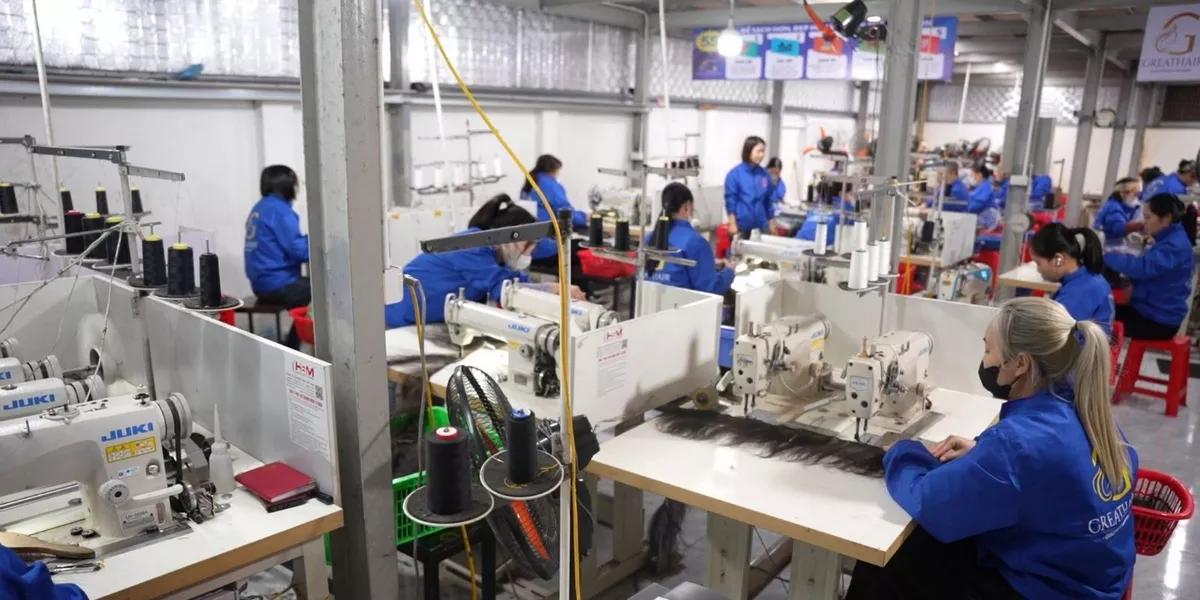
Great Hair Vietnam supplies factory-direct Vietnamese human hair for businesses looking for long extensions with natural movement and flexible product options. From different lengths and textures to wholesale and private label requirements, the focus is on hair that supports a better client experience after the sale, not only at the moment of purchase.
- WhatsApp: (+84) 81 328 2399
- Email: [email protected]
- Facebook: greathair.manufacturer
- Instagram: great.hair.manufacturer
- Website: https://greathair.com.vn/
- Address: No.8 Street 20/45 D. Phu Minh, Minh Khai, Bac Tu Liem, Ha Noi, Viet Nam
Frequently Asked Questions
What long hair extensions are best for fine hair
Lightweight tape-ins, halo extensions or smaller clip-in sets are often suitable for fine hair because they can add length without creating a bulky finish. The safest choice depends on the condition of the natural hair and how often the extensions will be worn.
What length of hair extensions looks most natural
Eighteen to twenty inches often gives noticeable length while remaining natural and manageable. Longer lengths can look beautiful, but they need enough fullness and careful blending, especially when the natural hair is much shorter.
Are human hair extensions better than synthetic extensions
Human hair is usually better for regular wear because it offers more natural movement and can be styled with heat when cared for properly. Synthetic hair may work for temporary styles but is generally less flexible.
Which extensions work best for thick hair
Thick hair often blends well with wefts, sew-ins or keratin extensions because these methods can provide enough volume through the lengths. The final choice should consider the desired style and maintenance routine.
Can long hair extensions damage natural hair
Extensions should not automatically damage natural hair, but poor installation, excessive weight, tight styling or improper maintenance can cause stress. Choosing the right method and having permanent extensions fitted professionally can reduce that risk.
How do I make long extensions blend with short hair
Choose enough volume, keep the texture close to your natural hair and consider layered cutting or professional blending. A very long extension set attached beneath blunt short hair is more likely to show unless the transition is softened.