Beautiful hair is easy to find in photos. Finding hair that stays beautiful after washing, styling, and daily wear? That’s a different story.
If you’re buying Vietnamese hair in bulk, you’ve probably seen suppliers offering almost identical products. Same lengths, similar textures, and plenty of promises about softness and shine. Yet the prices can be miles apart.
So what’s the difference?
Vietnamese hair quality comes down to more than where the hair comes from. The raw material matters, of course. But so do the way it’s sorted, how it’s processed, and how well the finished product matches what you’re paying for.
A nice sample is a good start. For salon owners, wig makers, and hair brands, though, the bigger concern is getting that same quality when the actual order arrives.
Good Hair Isn’t Always the Thickest or Most Expensive
Ask two hair buyers what they consider good quality, and you might get two very different answers.
A salon working with clients who have fine hair may want something light, soft, and easy to blend. A wig brand selling bone-straight styles might prefer thick bundles with full ends. Neither is wrong.
The hair simply needs to suit the job.
Of course, some things matter regardless of the style. Hair that’s unusually rough, breaks easily, or becomes badly tangled after washing is going to cause trouble. Loose weft stitching and uneven color can be problems too.
But don’t judge a bundle by how thick it looks alone.
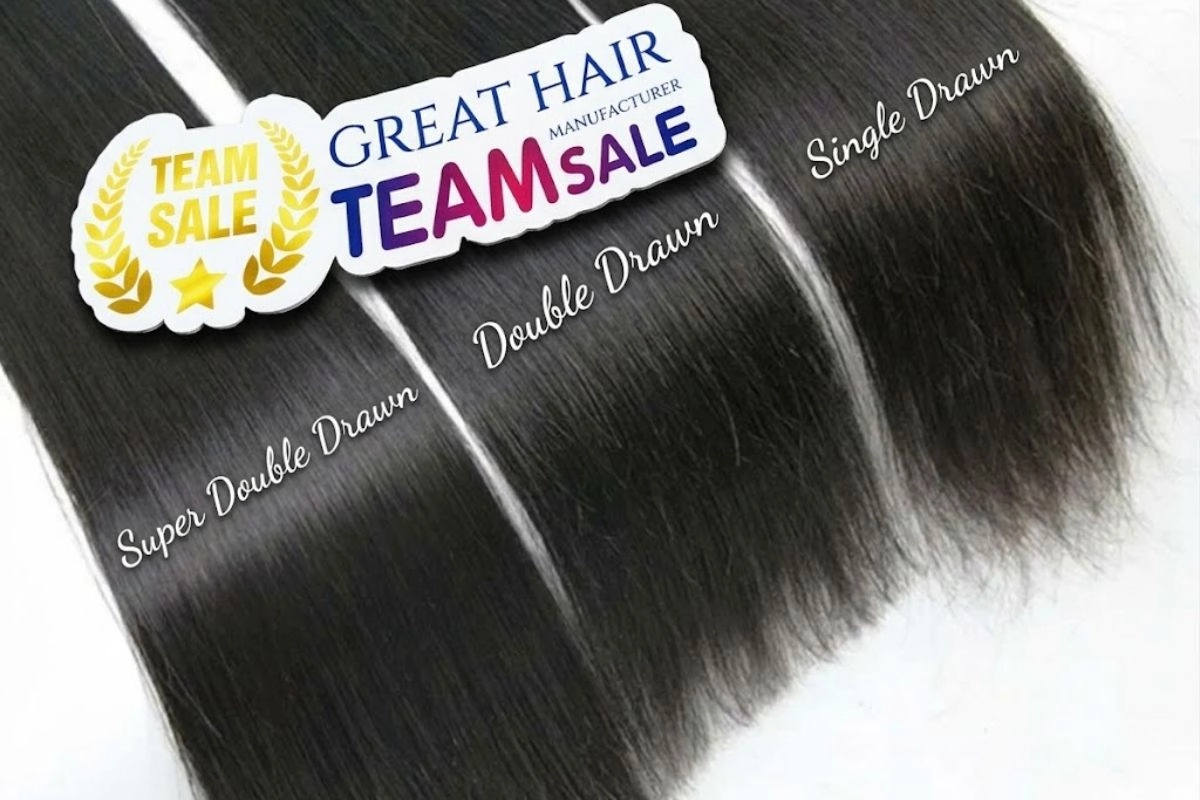
Single drawn hair, for example, naturally has more shorter strands mixed in with the longer ones. This gives it a softer, tapered finish. Super double drawn hair is sorted for a much fuller look toward the ends.
Both have their place.
What matters is knowing which one you’re buying and whether it matches the style your customers expect.
The Details You Notice When You Hold the Hair
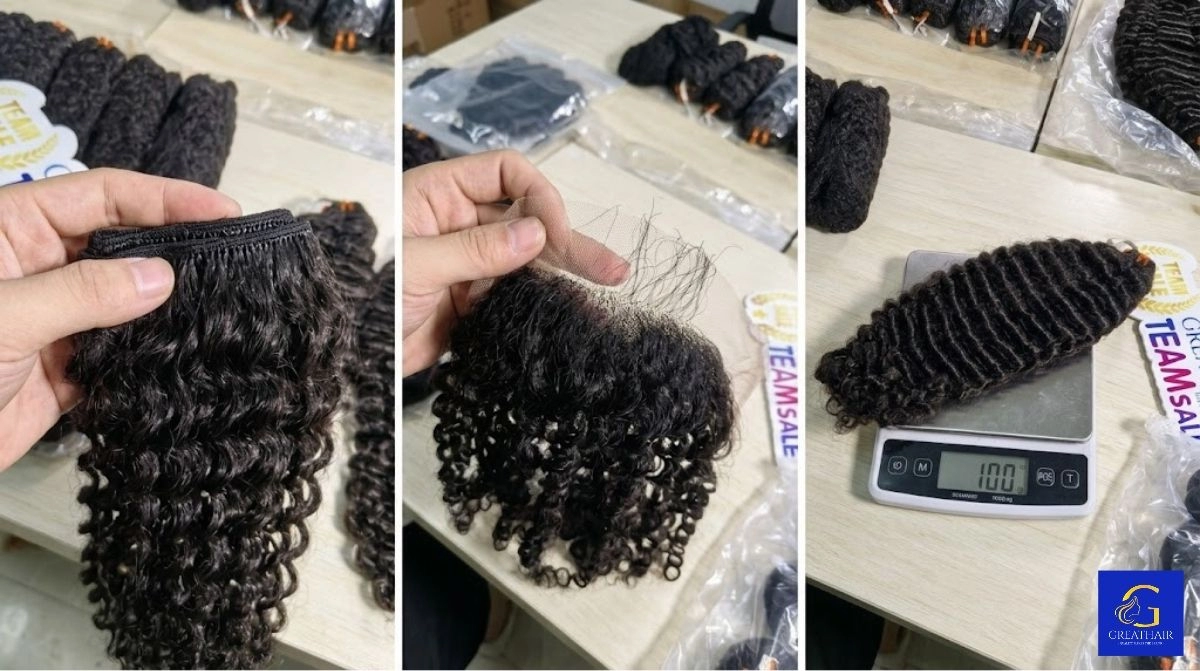
There’s a big difference between looking at a product photo and having the hair in front of you.
Take a straight bundle. At first glance, it might look smooth and full. Spread the ends across a light-colored surface, though, and you’ll get a better idea of how the length is distributed.
Are the ends quite thin? Do they have the fullness you ordered? Is the texture even throughout the bundle?
Now feel the hair.
It should be manageable without constant snagging. Some natural variation is fine. Human hair isn’t identical from one strand to another.
Shine is another thing buyers often focus on. And yes, glossy hair looks attractive. But lighting, styling products, and finishing treatments can all change how shiny a bundle appears.
A photo won’t tell you much about that.
The construction deserves attention as well. On machine wefts, look at how the hair is stitched. Check for loose threads or uneven sections. With wigs, the lace and cap matter just as much as the hair itself.
A beautifully made wig can still disappoint if the cap doesn’t fit the intended customer.
Weight is easy to overlook, too. If a bundle is sold as 100 grams, find out exactly how that weight is measured. Does it include the weft? Are there agreed tolerances?
That might sound like a small detail. Across a large order, it isn’t.
What Raw, Virgin, and Remy Really Tell You
Hair suppliers use a lot of labels. Raw hair, virgin hair, Remy hair, premium grade, luxury grade. After a while, they can all start to sound the same.
They’re not.
Raw hair is generally sold as hair that hasn’t undergone chemical processing. Virgin is another common term, although suppliers don’t always define it the same way.
Remy has more to do with strand direction. In Remy hair, the strands are generally kept aligned from root to tip, helping reduce friction between cuticles.
That’s useful information, but it still leaves plenty of questions.
Was the hair colored? How was it sorted? Does the finished product behave as expected after washing?
You also need to be careful with grade names. There’s no universal grading system that makes one supplier’s premium grade identical to another’s.
At GreatHair, the product range includes different raw material categories and drawn grades for different customer needs.
If you’re unsure which fullness level to choose, our guide to Vietnamese hair grades explains how single drawn, double drawn, and super double drawn hair differ.
A Wash Can Change Your First Impression
Freshly finished hair often looks its best.
That doesn’t mean there’s anything wrong with it. Still, a dry bundle tells only part of the story.
After washing, you can see more of the hair’s natural texture and how easily it can be handled.
Say you’ve received two body wave samples. Both look lovely out of the packaging. Once washed, one keeps a soft wave pattern and is easy to comb. The other feels much drier and takes more work to detangle.
That difference matters, especially if your customers expect hair they can wear and maintain regularly.
Shedding is worth watching as well.
A few loose strands during brushing aren’t unusual. Repeated hair loss from the weft is another matter. Broken pieces and full-length strands coming loose are different problems, so don’t lump them together.
If you’re comparing samples, keep the washing and brushing conditions the same. Otherwise, you won’t know whether the hair or the test caused the difference.
And if you plan to sell hair for coloring, test that separately. Human hair can suffer real damage from bleaching, and a natural dark bundle won’t automatically lift to pale blonde without problems.
For buyers who want to check this in more detail, GreatHair has a separate guide to testing hair samples before a bulk order.
The Sample Looks Great. What About the Next 200 Bundles?
This is where buying hair in bulk gets tricky.
You find a supplier, receive a sample, and love it. The texture is right. The ends look good. Even the price works for your business.
Then you order 200 bundles.
What you need now isn’t another pretty sample. You need the supplier to deliver products that match the one you approved.
Hair is a natural material, so some differences between batches are normal. But there’s a limit to how much variation your business can accept.
Imagine selling a client a wig made with full, straight hair. She loves it and comes back for another. If the next batch has much thinner ends or a different texture, she’s going to notice.
And she’ll probably ask you about it, not the factory.
That’s why it’s worth keeping an approved sample as a reference. Record the length, weight, texture, color, and drawn grade. Take photos of the ends and any construction details that matter.
Before production, agree with your supplier on what should match and what variation is acceptable.
The approved sample shows what you wanted. The written specifications help make sure the supplier understands it.
Comparing Two Suppliers Goes Beyond Price
Let’s say Supplier A offers a 20-inch bundle for less than Supplier B.
It looks like an easy choice, right?
Maybe. But first, check what each supplier is actually offering.
Is the weight the same? What about the drawn grade? Are both bundles made with the same texture and construction?
A 20-inch single drawn bundle isn’t directly comparable to a 20-inch super double drawn bundle. They may contain the same total weight of hair, yet look quite different at the ends.
The cheaper one might be exactly what your customers want. Or it might not.
If the products are genuinely comparable, look at how they perform. Check the hair after washing, inspect the construction, and ask how the supplier handles a batch that doesn’t meet the agreed specifications.
It’s also worth thinking about repeat orders.
A small saving on your first purchase won’t mean much if you have to deal with complaints, replacements, or products that don’t match your previous stock.
That doesn’t mean expensive hair is always better. Some products simply cost more because of their length, sorting, color, or construction.
The better buy is the one that fits your business and delivers the quality your customers expect.
Before Your Order Leaves the Factory
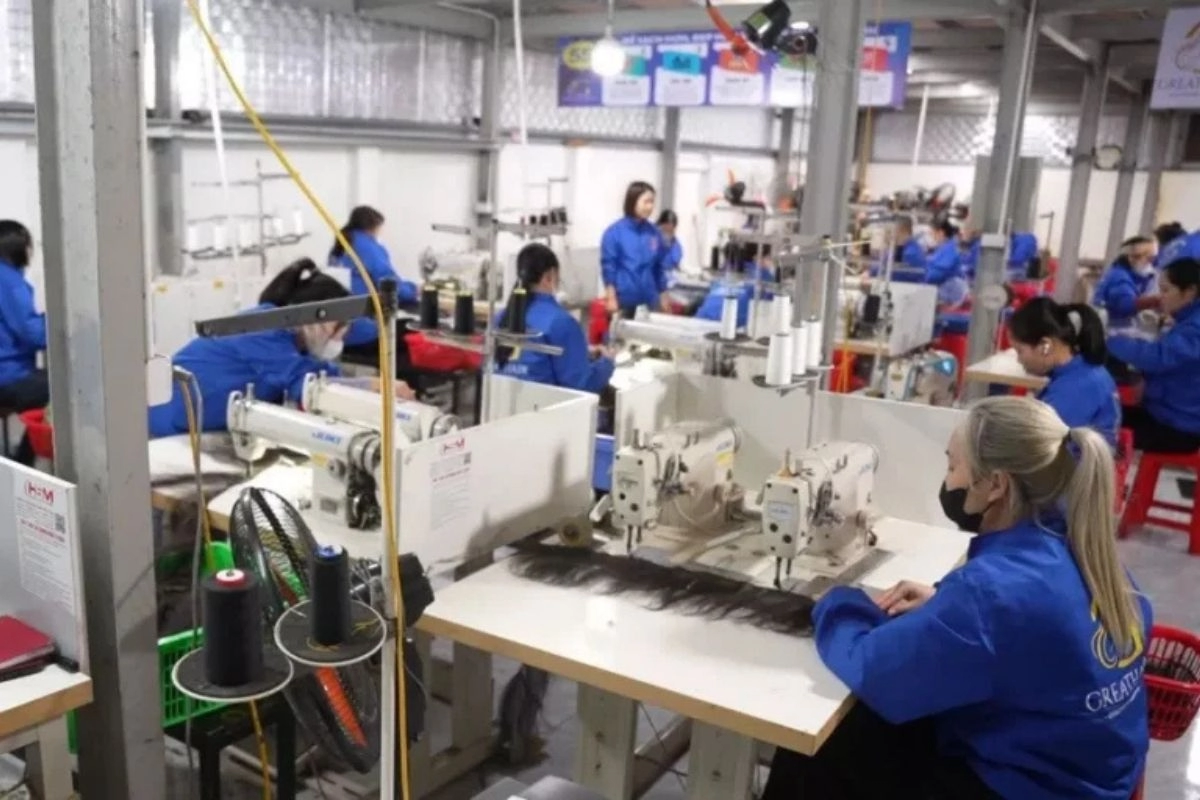
By this stage, you should know what you’ve ordered. The question now is whether the finished products match it.
That’s where quality control comes in.
For bundles, the checks may cover length, weight, texture, end fullness, weft construction, and general handling. Wigs need more attention to the cap, lace, knots, hairline, and stitching.
Not every order needs the same inspection. A standard machine-weft bundle and a custom lace-front wig have different things that can go wrong.
What you want is a clear way to see that the products have been checked against your specifications.
Ask what photos, videos, or inspection records the supplier can provide. Ideally, these should relate to your actual order, not just a random product being brushed in a factory video.
GreatHair explains its own process in How GreatHair Inspects Human Hair Bundles and Wigs.
If something doesn’t match, it’s much easier to discuss it before shipping than after the cartons arrive.
FAQs About Vietnamese Hair
Is Vietnamese hair better than Brazilian or Indian hair?
There’s no simple winner. Hair from any sourcing market can vary in quality. Look at the material, processing, and finished product rather than assuming one country always produces better hair.
Why do some Vietnamese hair bundles cost much more?
Length, raw material selection, sorting, end fullness, coloring, and construction can all affect the price. Two bundles described as Vietnamese human hair may have quite different specifications.
Does super double drawn hair last longer?
Not by definition. Super double drawn describes how full the ends are, not how long the hair will last. Care, processing, and hair condition have a greater bearing on durability.
Can you recognize Remy hair just by touching it?
You can feel roughness and notice snagging, but touch alone can’t prove how the strands were collected or sorted. Ask the supplier about strand alignment and processing.
How much hair should I test before placing a large order?
Test the products that represent what you plan to sell. A single straight, natural-dark bundle won’t tell you how a curly, colored, or differently constructed product will behave. For larger or more varied orders, testing several units is more useful.
Looking for Vietnamese Hair for Your Business?
GreatHair works with wholesale buyers, salons, resellers, and hair brands looking for Vietnamese human hair products.
Whether you need machine wefts, closures, wigs, or hair extensions, the best place to begin is with the product you want to sell.
Tell us the length, color, texture, drawn grade, and quantity you’re looking for. For wigs or custom extensions, include the lace, cap, or attachment details.
Our team can help you explore the available options and discuss samples before a larger order.
Visit GreatHair Wholesale to get in touch.
What kind of hair are you looking for?